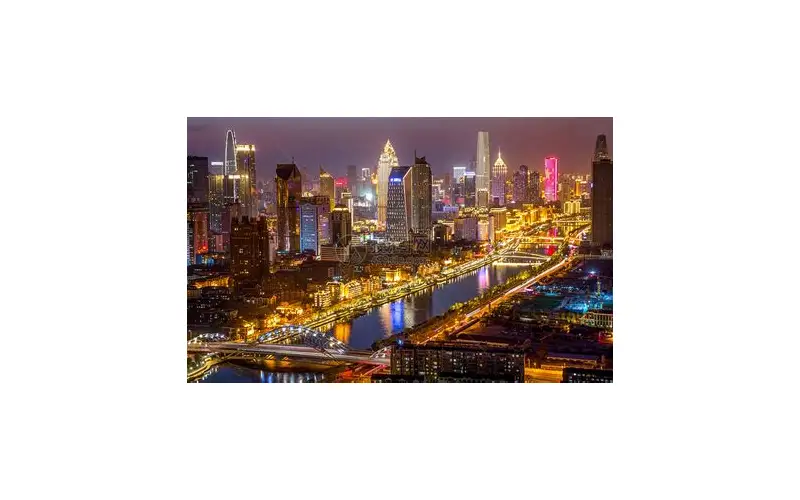
A coastal metropolis known for its European architecture and classic street snacks.
Tianjin
A coastal metropolis known for its European architecture and classic street snacks.
🌏 North China 🏙️ 1 Cities
🥇 2 5A Scenic Spots 🌤️ semi-humid warm-temperate monsoon climate
Map
🗺️ Tianjin
📍 1 Cities
🥇 2 5A Scenic Spots
Prefecture cities (colour-coded)
🥇 5A Scenic Spots
Cities
Key data
Items shown in Chinese are kept from the original Chinese source; no English name is available yet.
| Provinces | Tianjin |
|---|---|
| Geographic Zones | North China |
| Area | 11,966.45 km² |
| Population | 13.63 million |
| GDP | ¥1.85 trillion |
| Postal Code | 300000 |
| Area Code | 022 |
| License Plate | Tianjin A–R |
| Admin code | 120000 |
| Climate | semi-humid warm-temperate monsoon |
| Location | northern China, the northeastern North China Plain, the west coast of the Pacific |
| Foreign name | Tianjin City |
| Cities | 1 |
| 5A Scenic Spots | 2 |
Highlights
⭐ Wudadao (Five Great Avenues)
⭐ Tianjin Eye
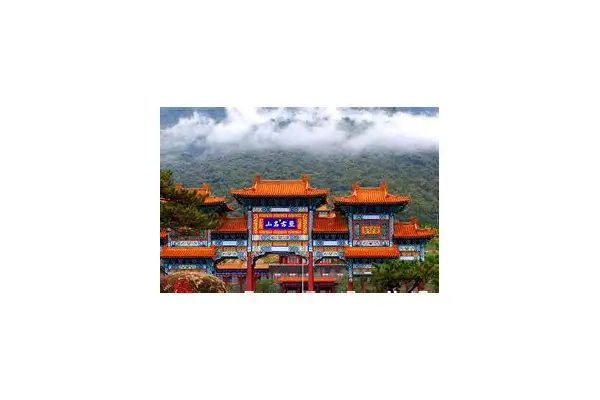
⭐ Panshan Mountain
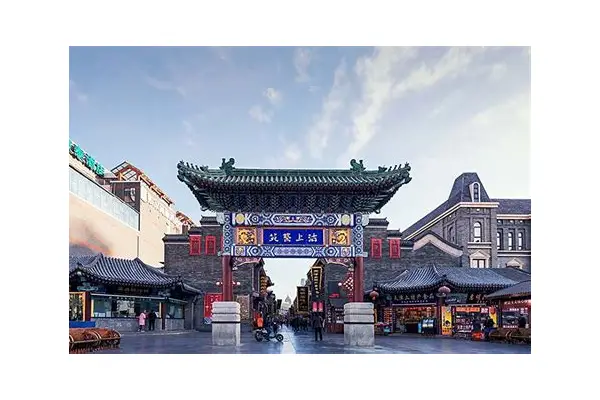
⭐ Tianjin Ancient Culture Street
⭐ Water Park
Introduction
- A coastal metropolis known for its European architecture and classic street snacks.
History
- Tianjin was known in ancient times as Jingu and Jinmen, rising where canal and sea transport met; in the Ming dynasty a garrison and city walls were established, hence the name "Tianjin Wei." After opening as a treaty port in modern times, Tianjin rapidly grew into the largest industrial and commercial city and foreign trade port in the north, and the Western-style buildings of Wudadao and other areas bear witness to that era. Over a century of development, Tianjin Port has grown step by step into a world-class port, and the city's appearance changes with each passing day. Today Tianjin carefully protects its historic districts while continuously advancing modernization, showcasing the century of change of a coastal city in northern China.
Culture
- Tianjin culture blends Beijing charm with local flavor. Crosstalk, kuaiban, and other folk performing arts have been passed down in teahouses for a century, earning it nationwide fame as the "Home of Folk Performing Arts." Yangliuqing New Year paintings, Clay Figure Zhang painted sculptures, and Wei Kites are listed as intangible cultural heritage and are renowned at home and abroad. Tianjin cuisine emphasizes seasonality and heat control, and snacks such as Goubuli steamed buns, Erduoyan fried rice cakes, and jianbing guozi form a distinctive food culture. The Tianjin dialect is witty and humorous; Ancient Culture Street and Tianhou Palace keep temple fair customs alive, and the city flower, the Chinese rose, adorns the city through all four seasons.
Science & Technology
- Tianjin is home to well-known universities such as Nankai University and Tianjin University, as well as a number of national-level research institutions, giving it strong scientific and educational strength. The Binhai New Area is a high-tech industrial base supported by the state as a national priority, with outstanding strengths in fields such as aerospace, biomedicine, and high-end equipment manufacturing. Tianjin continues to innovate in intelligent technology, new energy, and marine engineering, with new-generation artificial intelligence innovations constantly emerging. Tianjin Binhai International Airport and Tianjin Port form a convenient transportation system, providing strong support for talent mobility and industrial upgrading.
Economy
- Tianjin is an important economic center in northern China. In 2025, its regional GDP reached 1,853.982 billion yuan, with a per capita regional GDP of 135,972 yuan. Port shipping, aerospace, petrochemicals, and high-end equipment manufacturing form the pillars of its economy, and Tianjin Port is a key maritime gateway for North China. The Binhai New Area is home to numerous advanced manufacturing enterprises, while modern services such as financial leasing and cross-border trade are thriving, continuously strengthening the city's economic vitality.