Harbin's ice festival, snow towns and primeval forests of the northeast.
Heilongjiang
Harbin's ice festival, snow towns and primeval forests of the northeast.
Map
Key data
Items shown in Chinese are kept from the original Chinese source; no English name is available yet.
| Provinces | Heilongjiang |
|---|---|
| Geographic Zones | Northeast China |
| Area | 473,000 km² |
| Population | 30.29 million |
| GDP | ¥1.69 trillion |
| Postal Code | 150000-160000 |
| License Plate | Heilongjiang A–R |
| Admin code | 230000 |
| Climate | cold-temperate monsoon |
| Location | Northeast China |
| Foreign name | Heilongjiang Province |
| Cities | 8 |
| 5A Scenic Spots | 7 |
Highlights
Introduction
- Harbin's ice festival, snow towns and primeval forests of the northeast.
History
- Heilongjiang is named after its largest river, the Heilongjiang (Amur) River. Since ancient times it has been the homeland of peoples such as the Sushen, Mohe, and Jurchen, and the ruins of the Tang-era Bohai Kingdom and the Jin-era Shangjing Huining Prefecture bear witness to the splendor of ancient Northeast civilization. In the Qing dynasty this was long a key frontier stronghold, and its post-station culture and exile culture left a unique mark. At the end of the 19th century, construction of the Chinese Eastern Railway spurred the rise of cities such as Harbin, making it a modern commercial hub of Northeast Asia. In modern and contemporary times, relying on its forests, minerals, and black soil resources, Heilongjiang has developed into an important national base for energy and grain.
Culture
- Heilongjiang's culture blends the bold spirit of the Northeast with exotic charm. Landmarks such as Harbin's Central Street and Saint Sophia Cathedral combine Russian and European styles, earning the city the name "Moscow of the East." The Northeastern dialect is humorous and hearty, and folk arts like Errenzhuan and the Yangge dance are widely popular. Ice and snow culture is Heilongjiang's most distinctive calling card, with ice lantern and snow sculpture art and ice and snow festivals renowned worldwide. Northeastern dishes such as pickled cabbage stewed with glass noodles, guobaorou, and iron-pot stew are generous in portion, and century-old brands like Madieer ice cream leave visitors longing for more.
Science & Technology
- Heilongjiang is home to top domestic engineering universities such as Harbin Institute of Technology and several national-level research institutes, and leads in fields including aerospace, welding, robotics, and polar science. Small satellites, robots, and other achievements developed by Harbin Institute of Technology are widely used in aerospace and industry. The Daqing Oilfield continues to innovate in oil extraction technology, supporting the national energy industry. Harbin Taiping International Airport and the high-speed rail network connect to destinations across the country, creating favorable conditions for technological innovation and talent exchange.
Economy
- Heilongjiang is an important commercial grain and energy base in China, with a regional GDP of 1,687.8 billion yuan in 2025. Rice and soybeans from the black soil of Beidahuang are renowned nationwide, and Heilongjiang is known as "China's Great Granary." The Daqing Oilfield is one of China's largest oilfields and has long supported the national energy industry. In recent years, Heilongjiang has promoted industrial diversification, accelerating the development of ice and snow tourism, green food processing, and equipment manufacturing. Cultural and tourism brands such as Harbin Ice and Snow World have continued to boost the winter economy.
Cities8
Mohe
Mohe sits at the northern tip of the Greater Khingan Range in Heilongjiang,
Harbin
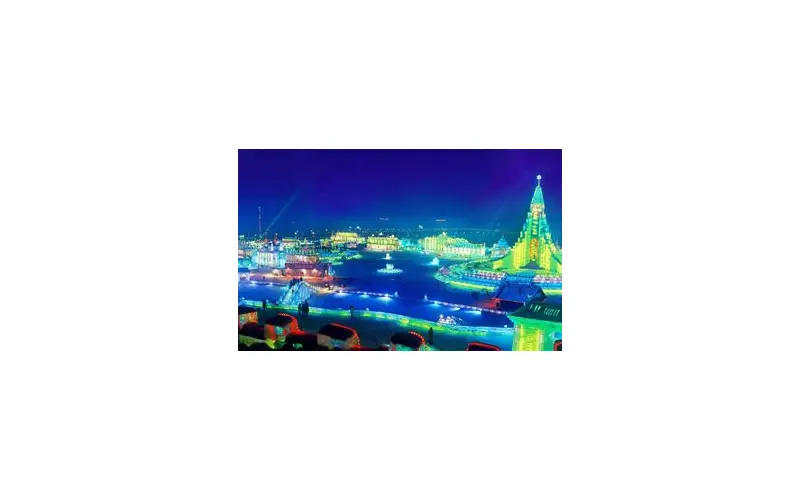
Harbin is a city in Heilongjiang, offering local culture, cuisine and everyd
Qiqihar
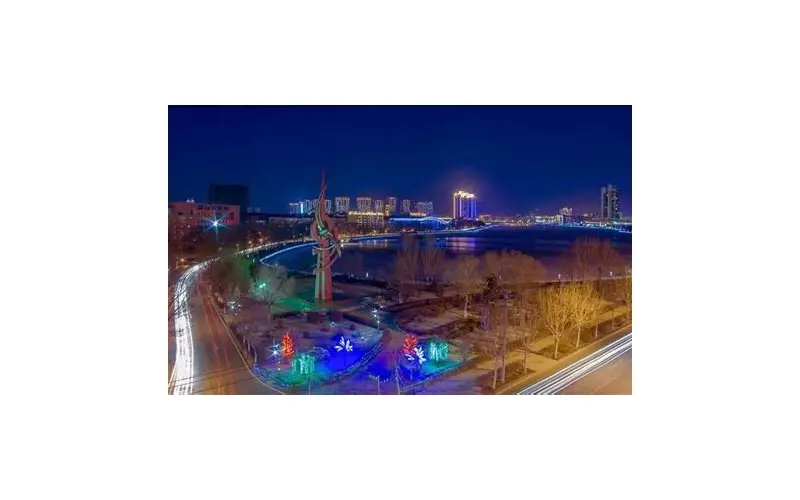
Qiqihar is a city in Heilongjiang, offering local culture, cuisine and every
Jixi
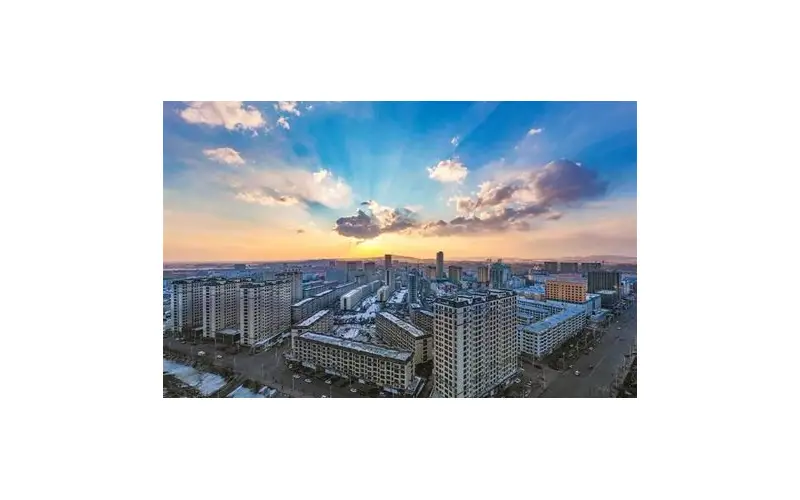
Jixi is a city in Heilongjiang, offering local culture, cuisine and everyday
Yichun
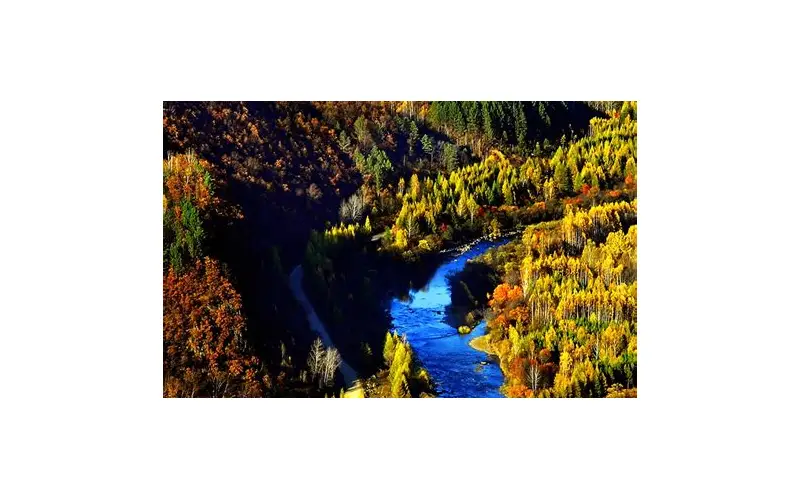
Yichun is a city in Heilongjiang, offering local culture, cuisine and everyd
Jiamusi
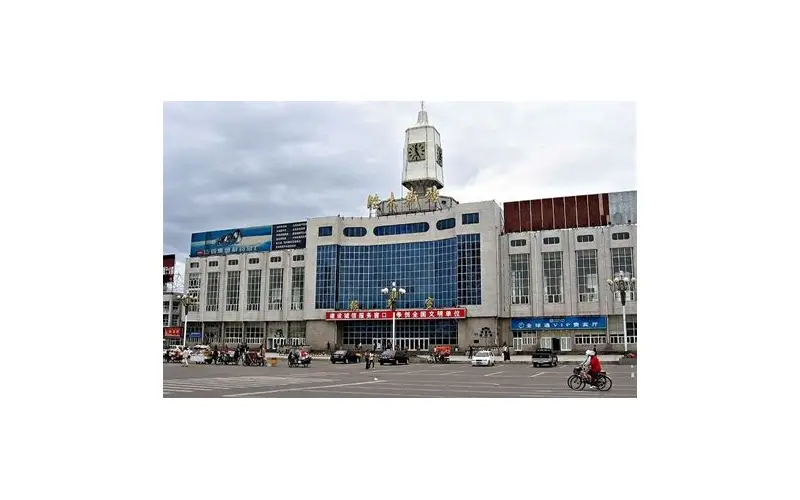
Jiamusi is a city in Heilongjiang, offering local culture, cuisine and every
Mudanjiang
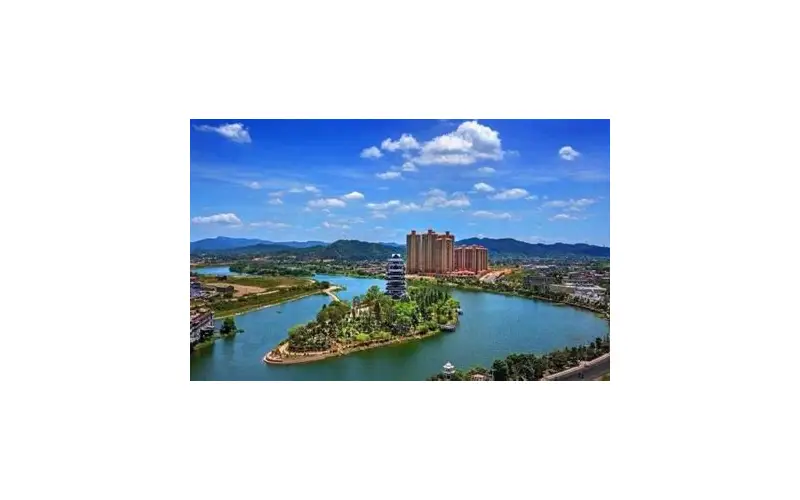
Mudanjiang is a city in Heilongjiang, offering local culture, cuisine and ev
Heihe
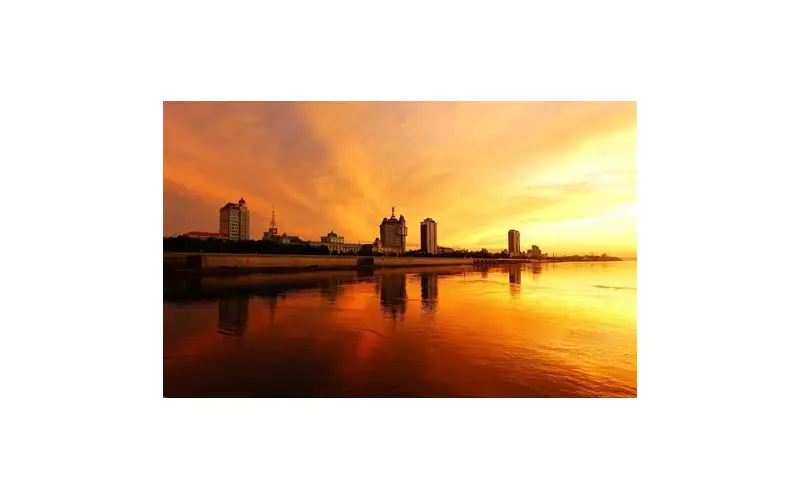
Heihe is a city in Heilongjiang, offering local culture, cuisine and everyda
Popular Spots7
Bei Ji Village
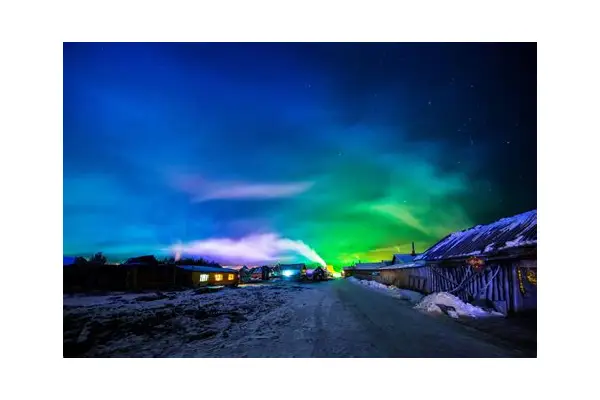
Bei Ji Village is a famous tourist attraction in Heilongjiang, offering natu
Tang Wang He Lin Hai Qi Shi
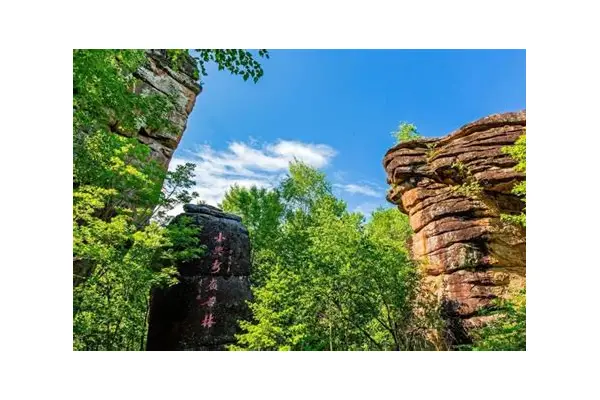
Tang Wang He Lin Hai Qi Shi is a famous tourist attraction in Heilongjiang,
Jing Po Lake
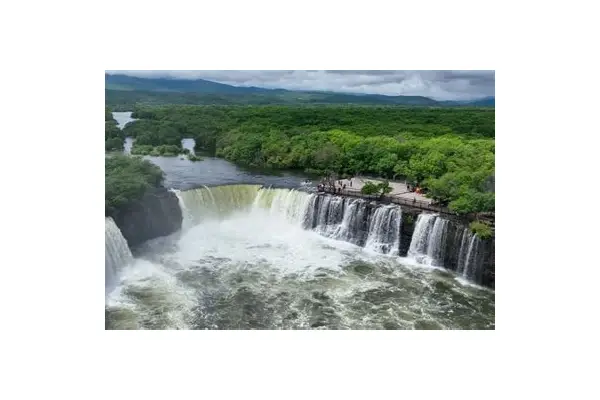
Jing Po Lake is a famous tourist attraction in Heilongjiang, offering natura
Tai Yang Island
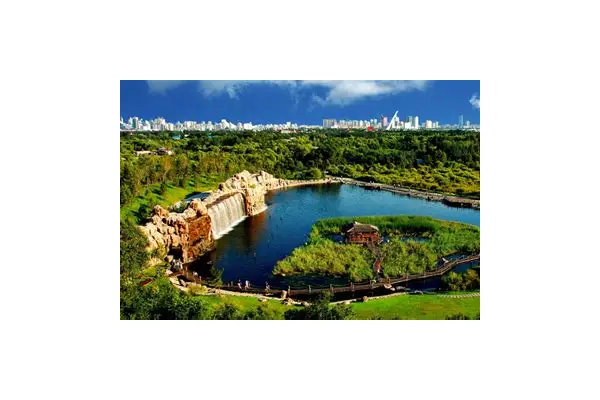
Tai Yang Island is a famous tourist attraction in Heilongjiang, offering nat
Wu Da Lian Chi
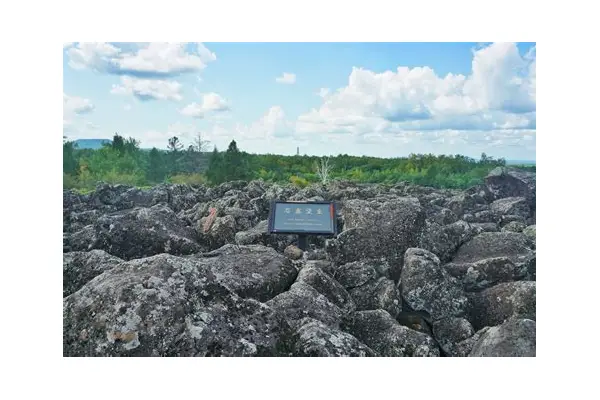
Wu Da Lian Chi is a famous tourist attraction in Heilongjiang, offering natu
Zha Long Shi Di
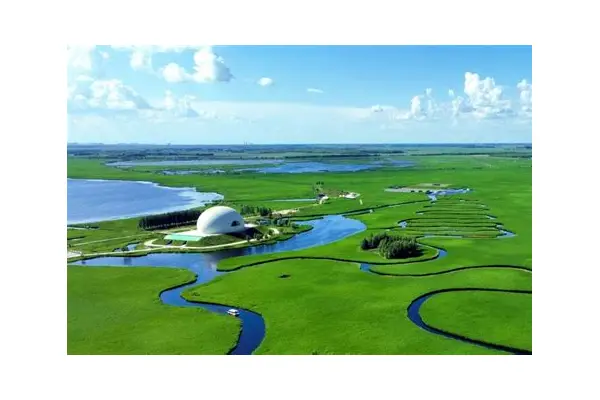
Zha Long Shi Di is a famous tourist attraction in Heilongjiang, offering nat
Hutou Tourist Area
Hutou Scenic Area is in Hulin City, Heilongjiang, a national 5A tourist attr