The Helan Mountains, desert vineyards and the Yellow River.
Ningxia
The Helan Mountains, desert vineyards and the Yellow River.
Map
Key data
Items shown in Chinese are kept from the original Chinese source; no English name is available yet.
| Provinces | Ningxia |
|---|---|
| Geographic Zones | Northwest China |
| Area | 66,400 km² |
| Population | 7.29 million |
| GDP | ¥569.65 billion |
| Postal Code | 750000-756400 |
| Area Code | 0951 |
| License Plate | Ningxia A–E |
| Admin code | 640000000 |
| Climate | semi-arid and arid temperate continental |
| Location | Northwest China |
| Foreign name | Ningxia Hui Autonomous Region |
| Cities | 5 |
| 5A Scenic Spots | 9 |
Highlights
Introduction
- The Helan Mountains, desert vineyards and the Yellow River.
History
- History: Ningxia has a long history, and the Shuidonggou site proves that human activity existed here tens of thousands of years ago. During the Qin and Han dynasties, the central government stationed troops and opened up wasteland for frontier defense, built water conservancy projects, developed the Hetao Plain, and from then on the agricultural civilization of Yellow River irrigation continued without interruption. During the Western Xia period, the Tangut people established the Western Xia dynasty and made Xingqing Prefecture, present-day Yinchuan, its capital, leaving behind mysterious relics such as the Western Xia Tombs. In the Yuan dynasty, Ningxia Prefecture Circuit was established; in the Ming dynasty, Ningxia Guard was established; in the Qing dynasty, it was changed to Ningxia Prefecture; during the Republic of China period, Ningxia Province was established; and in 1958, the Ningxia Hui Autonomous Region was founded, with Yinchuan as its capital continuing to develop.
Culture
- Culture: Ningxia is a region where the Hui people live in concentrated communities. Hui culture blends with the cultures of the Han and other ethnic groups, forming a distinctive local character. Halal food culture is prominent, and dishes such as hand-grabbed mutton, lamb offal soup, and eight-treasure tea are widely renowned. The Hua'er folk songs are sung widely in Ningxia and are a national-level intangible cultural heritage; folk crafts such as paper-cutting and the mouth harp have been passed down through generations, and the Helan Mountain rock carvings record scenes of life of ancient ancestors. The Zhenbeibao Western Film Studio is famous because many classic films were shot there, and the Yellow River culture and desert culture of places such as Shapotou are equally captivating.
Science & Technology
- Science and technology: Ningxia has higher education institutions such as Ningxia University and North Minzu University, as well as several research institutes, with strong research capabilities in fields such as coal chemical industry and rare metal materials. The Ningdong Energy and Chemical Industry Base is an important national demonstration zone for the modern coal chemical industry, driving continuous progress in clean and efficient coal utilization technologies. In recent years, Ningxia has accelerated the construction of a national integrated computing network hub node; the Zhongwei cloud base has gathered a large number of data centers, and the big data and cloud computing industries are rising rapidly, injecting new momentum into regional scientific and technological innovation.
Economy
- Economy: Ningxia's 2025 GDP is 569.649 billion yuan. Energy and chemical industry is the primary pillar industry, with coal, power, and modern coal chemical industry providing strong support for the regional economy. Characteristic agriculture stands out, with brand products such as goji berries, wine, and Tan sheep widely renowned, and the eastern foothills of the Helan Mountains have become a world-famous wine-producing region. The region has a permanent population of 7.29 million and a relatively high per capita output level. The cultural tourism economy driven by scenic areas such as Shapotou and Sand Lake, together with the big data industry, jointly form new growth engines.
Cities5
Yinchuan
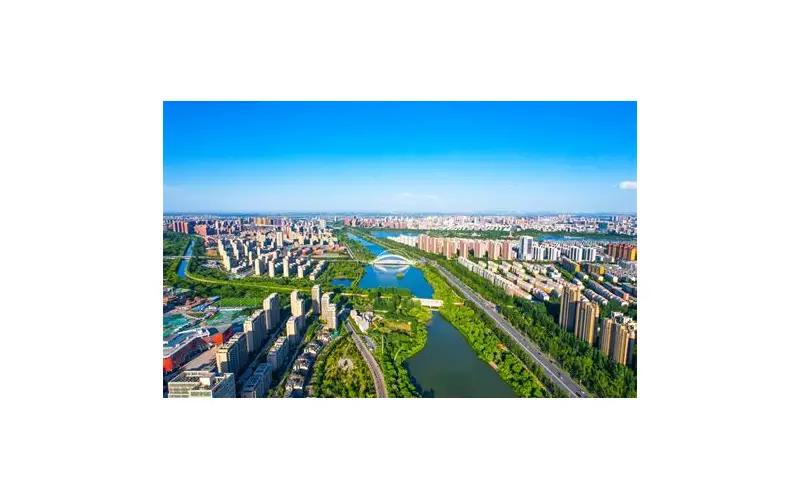
Yinchuan is a city in Ningxia, offering local culture, cuisine and everyday
Shizuishan
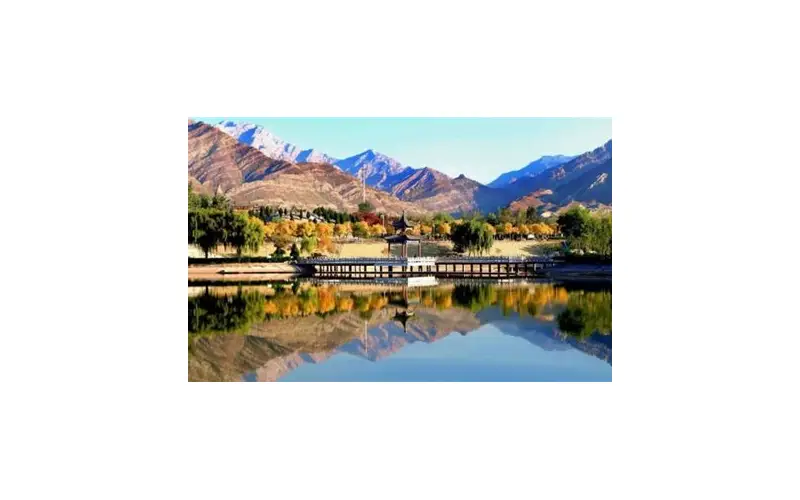
Shizuishan is a city in Ningxia, offering local culture, cuisine and everyda
Wuzhong
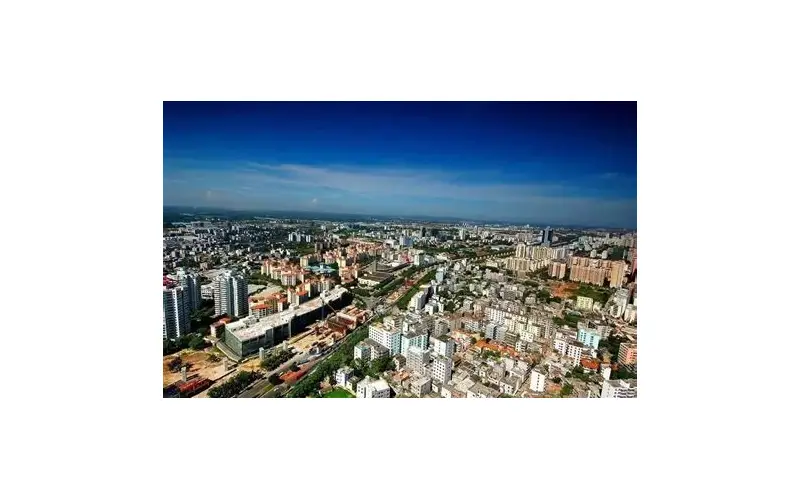
Wuzhong is a city in Ningxia, offering local culture, cuisine and everyday C
Guyuan
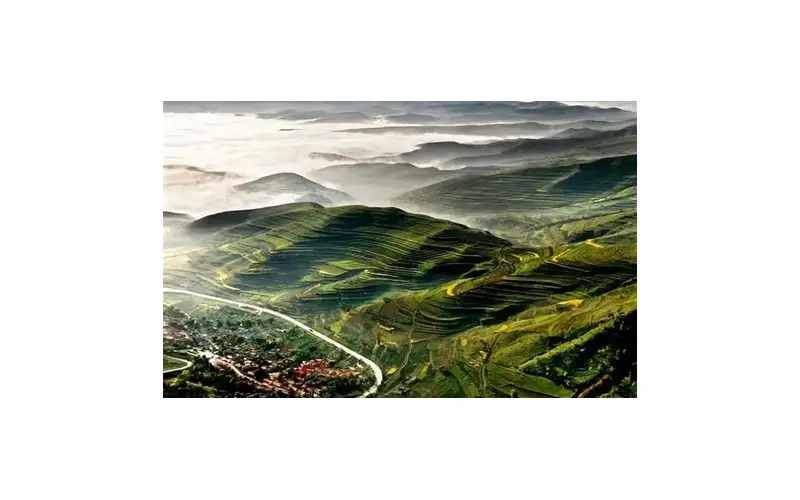
Guyuan is a city in Ningxia, offering local culture, cuisine and everyday Ch
Zhongwei
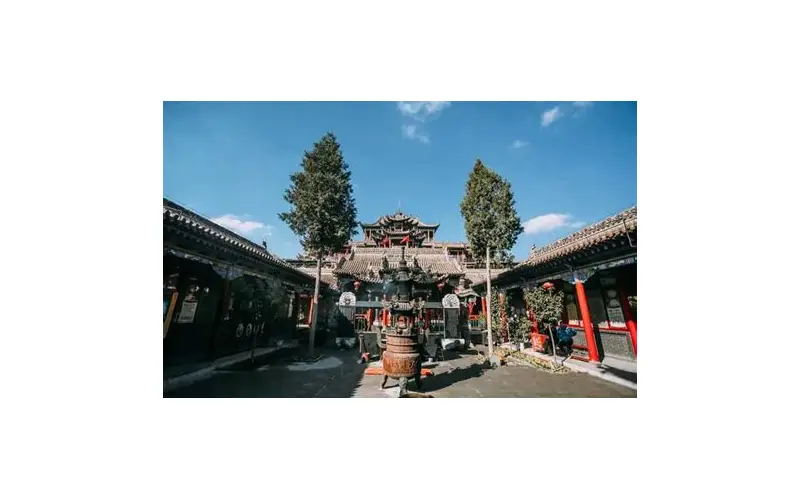
Zhongwei is a city in Ningxia, offering local culture, cuisine and everyday
Popular Spots9
Shapotou
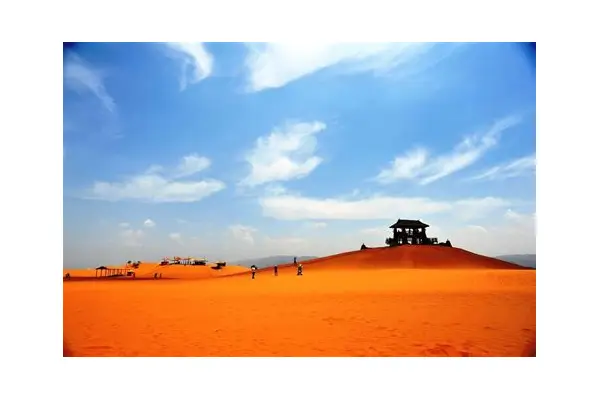
Shapotou is a famous tourist attraction in Ningxia, offering natural scenery
Liu Pan Mountain
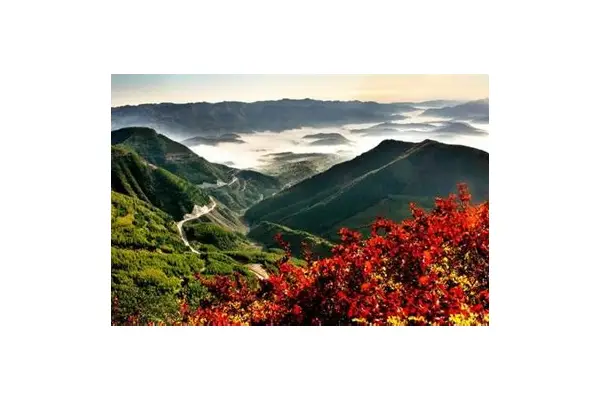
Liu Pan Mountain is a famous tourist attraction in Ningxia, offering natural
Shui Dong Gully
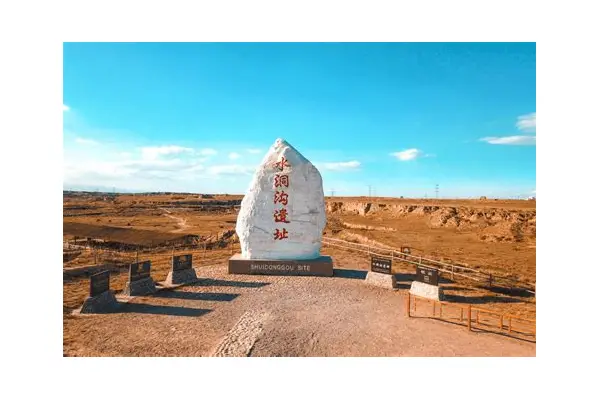
Shui Dong Gully is a famous tourist attraction in Ningxia, offering cultural
Qingtongxia Yellow River Grand Canyon Tourist Area (Wuzhong, Ningxia)
The Qingtongxia Yellow River Grand Canyon Tourist Area is located in Qington
Liupan Mountain Red Army Long March Tourist Area (Guyuan, Ningxia)
The Liupan Mountain Red Army Long March Tourist Area is located in Longde Co
Zhenbeibao Western Film Studio
Zhenbeibao Western Film Studio is in Xixia District, Ningxia, and is a natio
Shahu Tourist Area
Shahu Tourism Area is in Pingluo County, Ningxia, and is a national 5A-level
Liupanshan Red Army Long March Scenic Area
Liupan Mountain Red Army Long March Scenic Area is located in Longde County,
Yellow River Grand Canyon Tourism Area
The Yellow River Grand Canyon Scenic Area is in Qingtongxia, Ningxia, and is