Vast grasslands, deserts and nomadic culture on China's northern frontier.
Inner Mongolia
Vast grasslands, deserts and nomadic culture on China's northern frontier.
Map
Key data
Items shown in Chinese are kept from the original Chinese source; no English name is available yet.
| Provinces | Inner Mongolia |
|---|---|
| Geographic Zones | North China |
| Area | 1,183,000 km² |
| Population | 23.74 million |
| GDP | ¥2.67 trillion |
| Postal Code | 010000-026000 |
| License Plate | Inner Mongolia A, Inner Mongolia M |
| Admin code | 150000 |
| Climate | cold-temperate monsoon |
| Location | North China, Chinanorthernthe border region |
| Foreign name | Inner Mongolia Autonomous Region, Nei Mongol Autonomous Region |
| Cities | 8 |
| 5A Scenic Spots | 9 |
Highlights
Introduction
- Vast grasslands, deserts and nomadic culture on China's northern frontier.
History
- Since ancient times, Inner Mongolia has been the homeland of northern nomadic peoples, with the Xiongnu, Xianbei, Turks, Khitan, Mongols and others leaving deep marks here in succession. The Site of Xanadu bears witness to the grandeur of a steppe capital, while Liao dynasty artifacts and rock paintings tell of a thousand years of history. In the Qing dynasty the league-banner system was implemented, and the ties between the steppe tribes and the Central Plains grew ever closer. In modern times, with the building of railways and towns, the steppe regions gradually integrated into the nation's development. Today's Inner Mongolia, while protecting steppe ecology, radiates unprecedented vitality.
Culture
- Inner Mongolian culture is rich with a strong grassland flavor, where ethnic languages such as Mongolian and Daur coexist harmoniously with Chinese. The horse racing, wrestling, and archery at the Naadam Festival carry on the martial traditions of the nomadic people, and the morin khuur and long-song folk music are inscribed on the Representative List of the Intangible Cultural Heritage of Humanity. Dishes such as hand-held mutton, milk tea, and roast whole lamb display a bold and hearty style, while the yurt architecture, adapted to nomadic life, shows unique wisdom. In cities such as Hohhot and Ordos, ethnic culture and urban life blend and coexist, creating a distinctive charm.
Science & Technology
- Inner Mongolia is home to universities such as Inner Mongolia University and Inner Mongolia Agricultural University, along with a number of research institutions, with distinctive strengths in grassland ecology, dairy technology, and rare earth research. Hohhot is known as "China's Cloud Valley," where the big data and cloud computing industry is thriving. Inner Mongolia ranks among the nation's leaders in clean energy such as wind power and photovoltaic power generation, providing a model for green and low-carbon development. Aviation hubs such as Hohhot Baita International Airport and Ordos Ejin Horo International Airport connect the vast grasslands with the rest of the country and the world.
Economy
- Inner Mongolia's economy is supported by energy, agriculture and animal husbandry, and modern services. In 2025, its regional GDP reached 2,671.03 billion yuan, with per capita disposable income of 41,921 yuan. Rich in coal, electricity, and rare earth resources, it is a key national base for energy and strategic resources. Dairy companies such as Yili and Mengniu have earned Hohhot the title of "China's Dairy Capital," and high-quality beef, mutton, and dairy products sell well across the country. Scenic areas such as Xiangshawan and Arxan drive the cultural tourism industry, while new energy sources such as wind and solar power are becoming new growth engines.
Cities8
Ejina
Ejina, at the western tip of Inner Mongolia's Alxa League, is half Gobi dese
Arxan
Arshan lies in Hinggan League, Inner Mongolia, deep in the Greater Khingan R
Hohhot
Hohhot is a city in Inner Mongolia, offering local culture, cuisine and ever
Baotou
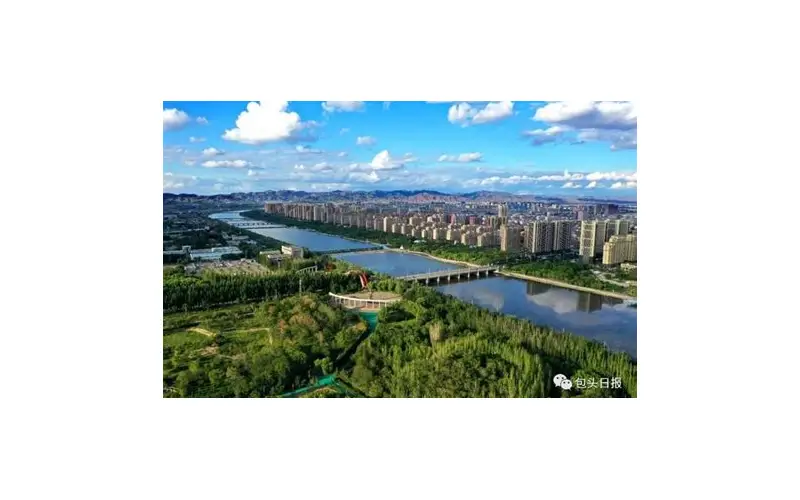
Baotou is a city in Inner Mongolia, offering local culture, cuisine and ever
Wuhai
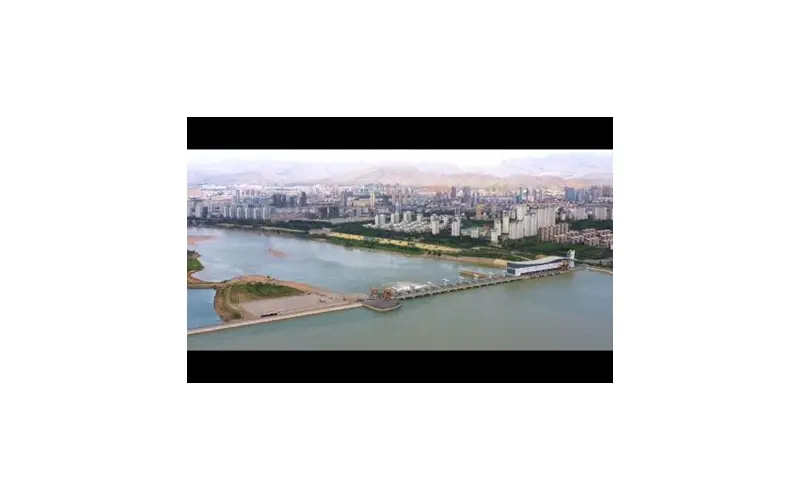
Wuhai is a city in Inner Mongolia, offering local culture, cuisine and every
Chifeng
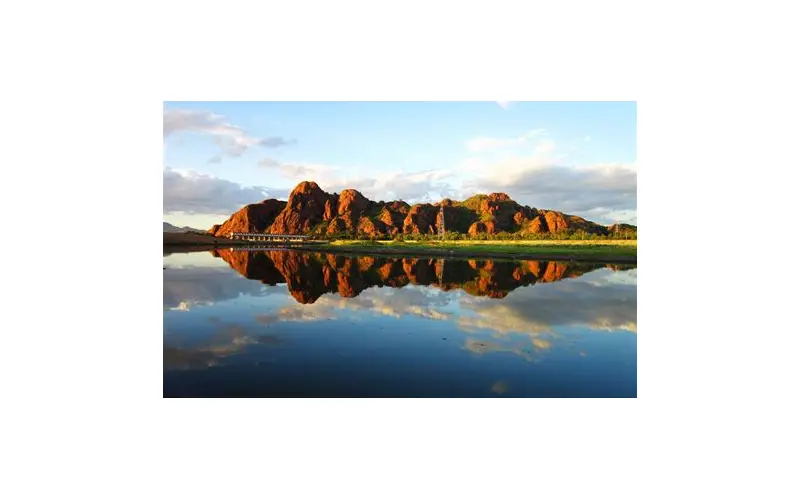
Chifeng is a city in Inner Mongolia, offering local culture, cuisine and eve
Ordos
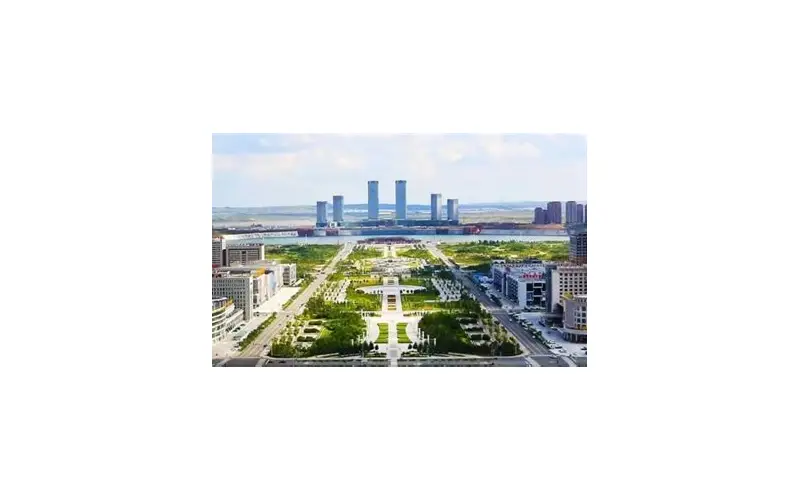
Ordos is a city in Inner Mongolia, offering local culture, cuisine and every
Hulunbuir
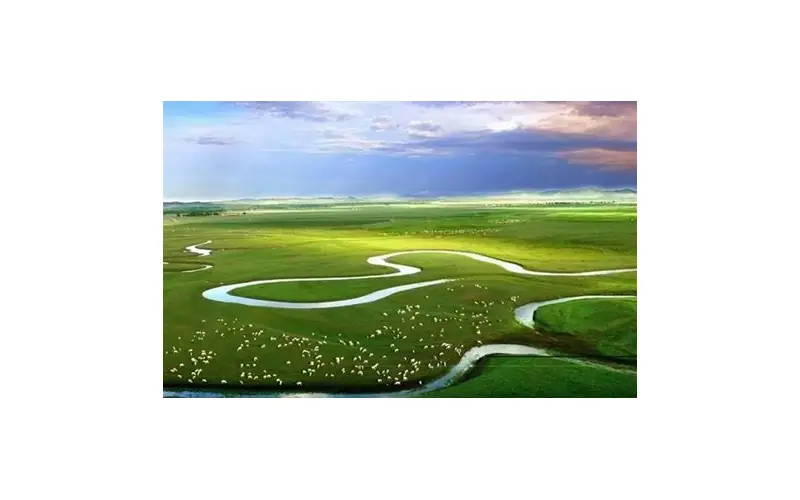
Hulunbuir is a city in Inner Mongolia, offering local culture, cuisine and e
Popular Spots9
Mo Er Ge Le River
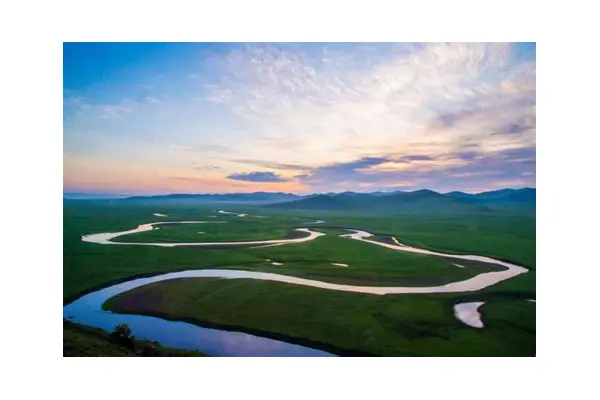
Mo Er Ge Le River is a famous tourist attraction in Inner Mongolia, offering
Xiang Sha Bay
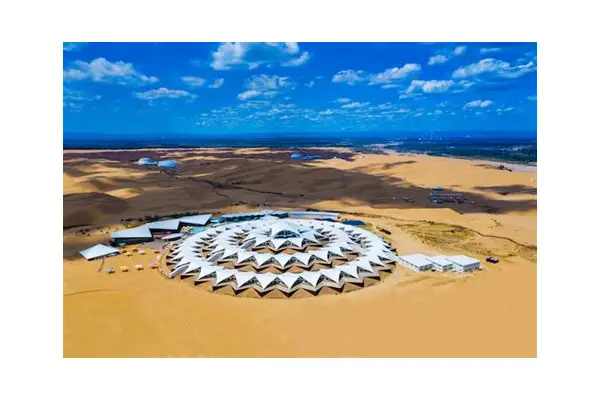
Xiang Sha Bay is a famous tourist attraction in Inner Mongolia, offering nat
E Ji Na Hu Yang Forest
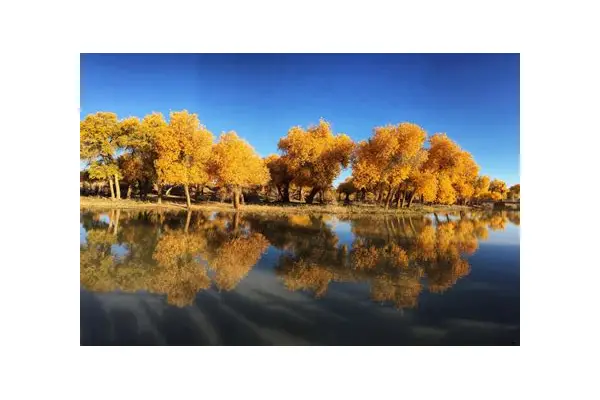
E Ji Na Hu Yang Forest is a famous tourist attraction in Inner Mongolia, off
Man Zhou Li
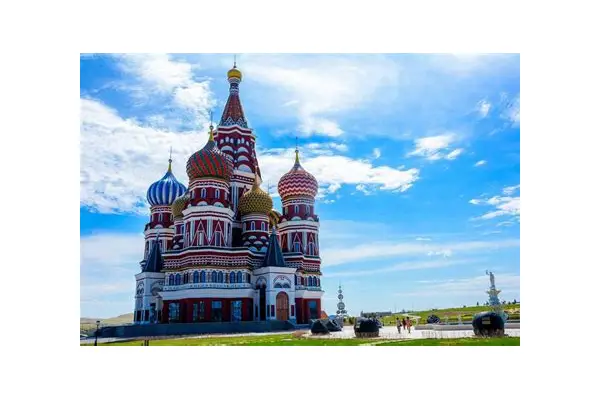
Man Zhou Li is a famous tourist attraction in Inner Mongolia, offering cultu
Cheng Ji Si Han Ridge
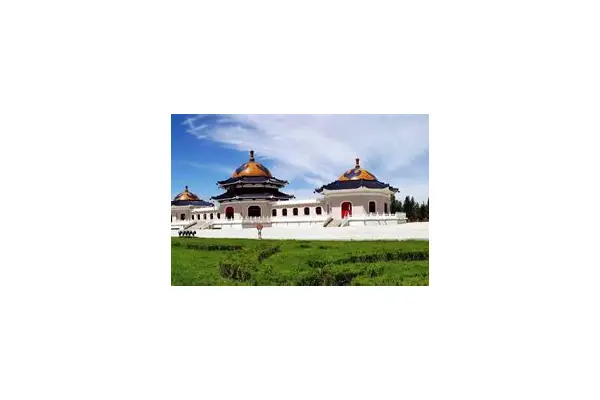
Cheng Ji Si Han Ridge is a famous tourist attraction in Inner Mongolia, offe
A Er Mountain
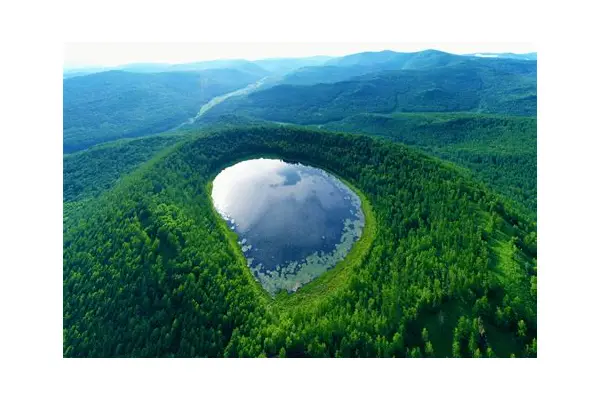
A Er Mountain is a famous tourist attraction in Inner Mongolia, offering nat
Laoniuwan Yellow River Grand Canyon Tourist Area (Hohhot)
Located in Qingshuihe County of Hohhot, Inner Mongolia, at the Shanxi-Inner
Ashatu Stone Forest Scenic Area
Ashatu Stone Forest Scenic Area is located in Keshiketeng Banner, Inner Mong
Laoniuwan Yellow River Grand Canyon Tourism Area
Laoniuwan Yellow River Grand Canyon Tourist Area in Qingshuihe County, Inner