Dunhuang's Mogao Caves, the Gobi Desert and the Hexi Corridor.
Gansu
Dunhuang's Mogao Caves, the Gobi Desert and the Hexi Corridor.
Map
Key data
Items shown in Chinese are kept from the original Chinese source; no English name is available yet.
| Provinces | Gansu |
|---|---|
| Geographic Zones | Northwest China |
| Area | 425,800 km² |
| Population | 24.43 million |
| GDP | ¥1.37 trillion |
| License Plate | Gansu A–P |
| Admin code | 620000 |
| Climate | arid subtropical monsoon |
| Location | Chinanorthwest |
| Foreign name | Gansu Province |
| Cities | 11 |
| 5A Scenic Spots | 9 |
Highlights
Introduction
- Dunhuang's Mogao Caves, the Gobi Desert and the Hexi Corridor.
History
- History: Gansu has a long history. As early as the pre-Qin period, groups such as the Qiang and Rong lived within its borders. The Qin dynasty established Longxi Commandery, and the Han dynasty set up the Four Commanderies of Hexi. After Zhang Qian's mission to the Western Regions, the Hexi Corridor became the golden section of the Silk Road, and Wuwei, Zhangye, Jiuquan, and Dunhuang flourished because of it. In the Tang dynasty the Silk Road reached its peak, and the carving of the Mogao Caves in Dunhuang continued for a thousand years. From the Song and Yuan dynasties onward, Lanzhou gradually became a major stronghold in the northwest, and in the Qing dynasty Gansu Province was established. In modern times, the westward extension of the Longhai Railway spurred the rise of cities along its route, and ancient cities such as Tianshui and Wuwei have carried on their cultural heritage to this day.
Culture
- Culture: Gansu's culture is diverse and profound. Its dialects belong to the Northwest Mandarin system, and its folk arts are rich and varied. Dunhuang art is world-famous; the murals and painted sculptures of the Mogao Caves are the fruit of the blending of Chinese and Western civilizations. Folk songs and Qinqiang opera of the Hexi Corridor are widely sung across the Longyuan land. The diet is mainly wheat-based, and Lanzhou beef noodles are renowned at home and abroad. Intangible cultural heritage such as Qingyang sachets and Linxia brick carvings is distinctive. Mount Maiji Grottoes and Kongtong Mountain carry religious and folk memories, and the multi-ethnic areas of Longnan and Gannan still preserve unique folk customs.
Science & Technology
- Science and technology: Gansu is home to a number of well-known universities such as Lanzhou University, as well as research institutions such as the Lanzhou Branch of the Chinese Academy of Sciences, and leads China in fields including heavy-ion physics, glacier and permafrost research, and desert control. The Jiuquan Satellite Launch Center has witnessed many milestones in China's space program, and the Lanzhou Heavy Ion Accelerator National Laboratory is one of Asia's largest heavy-ion research facilities. Technological innovation in industries such as new energy, new materials, and biomedicine continues to advance, injecting momentum into Northwest China's development.
Economy
- Economy: Gansu's 2025 regional GDP is 1,369.75 billion yuan. Rich in energy and resources, its traditional pillar industries are petrochemicals, nonferrous metal smelting, and equipment manufacturing; the Lanzhou petrochemical base and the Baiyin nonferrous metals industrial belt hold significant weight in northwest China. The Hexi Corridor boasts excellent wind and solar resources and has become a nationally important new energy base. In specialty agriculture, branded products such as Tianshui Huaniu apples and Longnan olive oil are scaling up, while cultural tourism in Dunhuang, Jiayuguan, and other places continues to boost consumer spending along the route.
Cities11
Dunhuang
Dunhuang is a desert oasis at the western end of the Hexi Corridor — the lan
Lanzhou
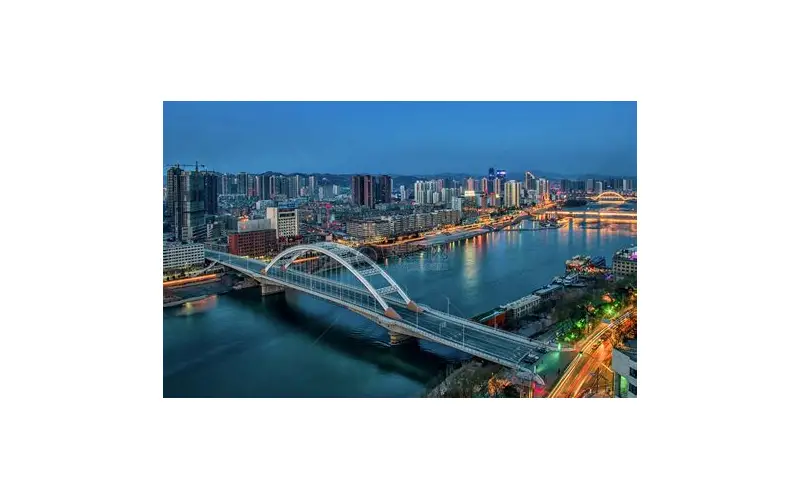
Lanzhou is a city in Gansu, offering local culture, cuisine and everyday Chi
Jiayuguan
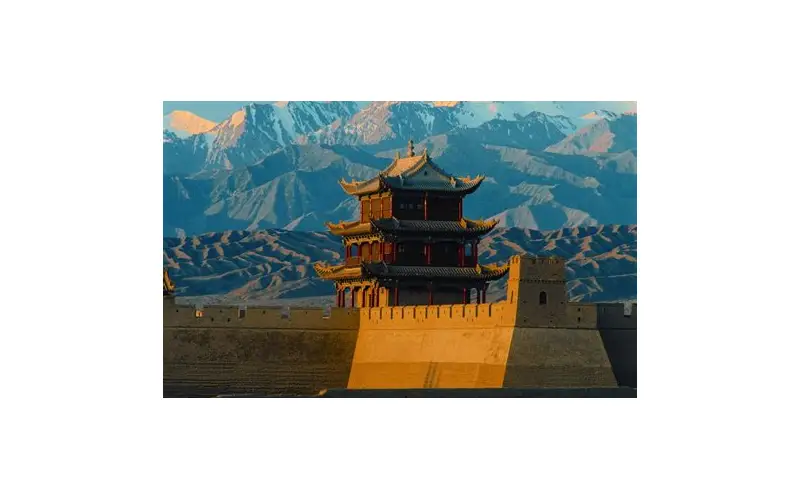
Jiayuguan is a city in Gansu, offering local culture, cuisine and everyday C
Tianshui
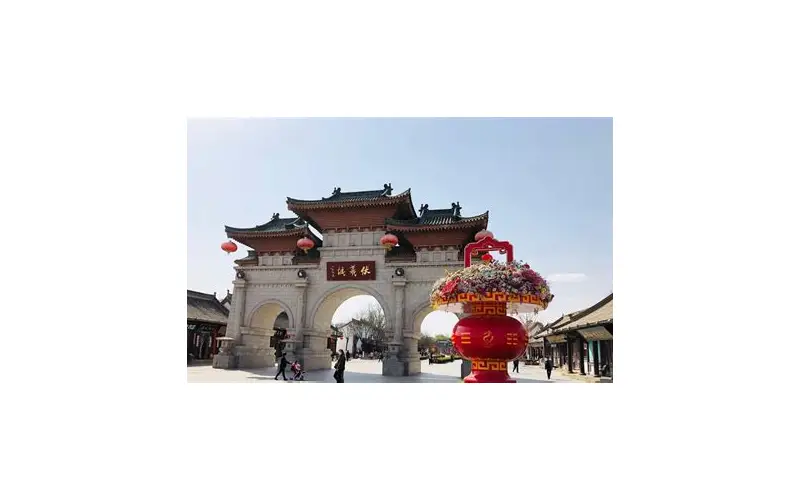
Tianshui is a city in Gansu, offering local culture, cuisine and everyday Ch
Wuwei
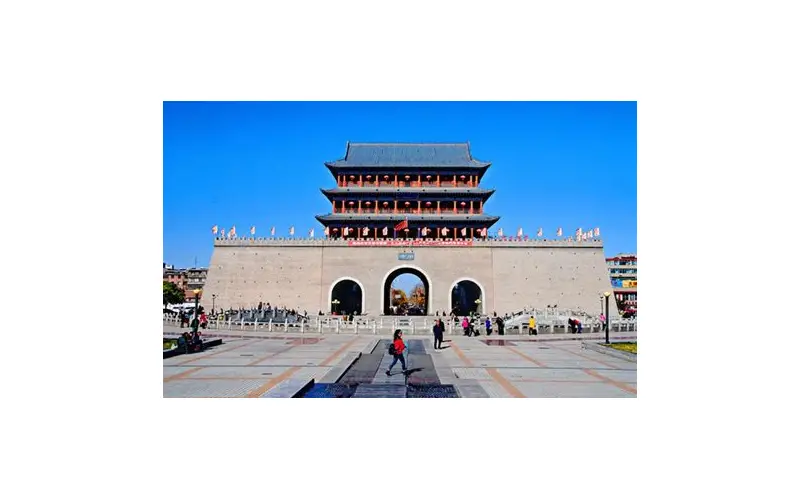
Wuwei is a city in Gansu, offering local culture, cuisine and everyday Chine
Zhangye
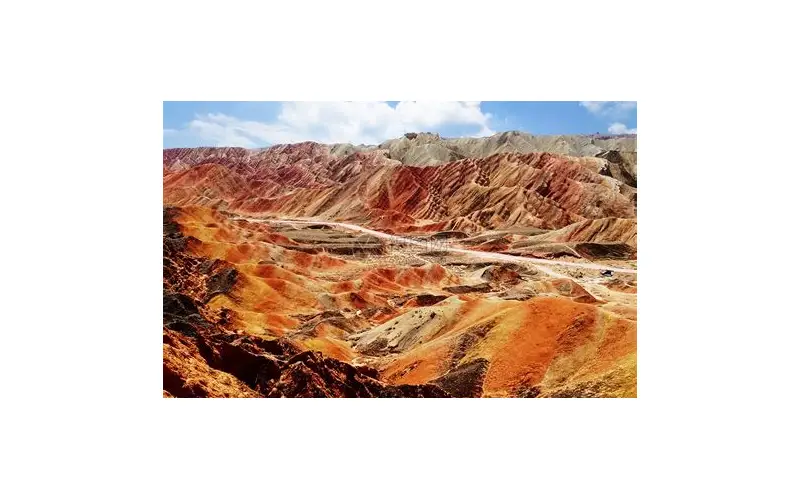
Zhangye is a city in Gansu, offering local culture, cuisine and everyday Chi
Pingliang
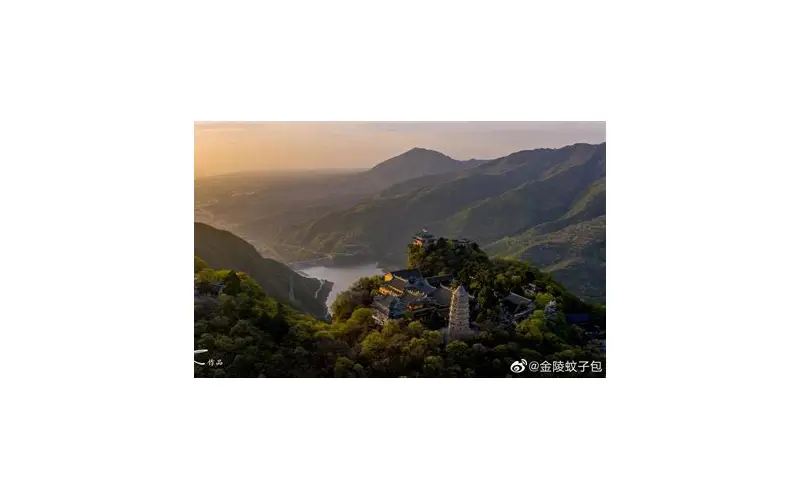
Pingliang is a city in Gansu, offering local culture, cuisine and everyday C
Qingyang
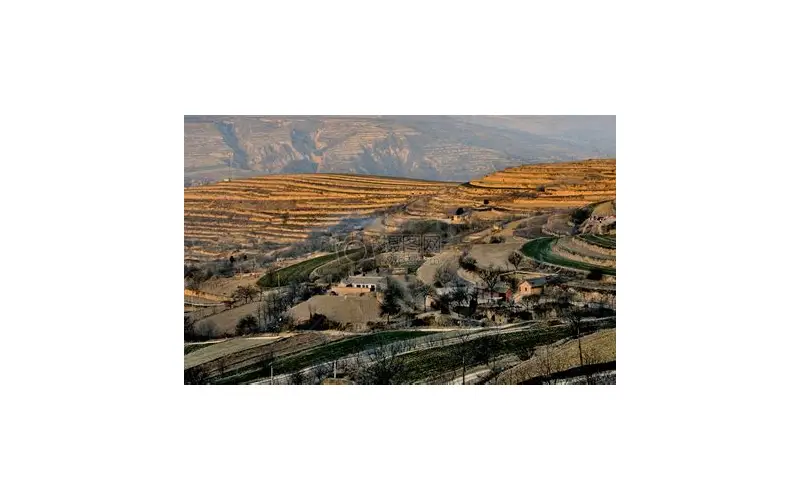
Qingyang is a city in Gansu, offering local culture, cuisine and everyday Ch
Longnan
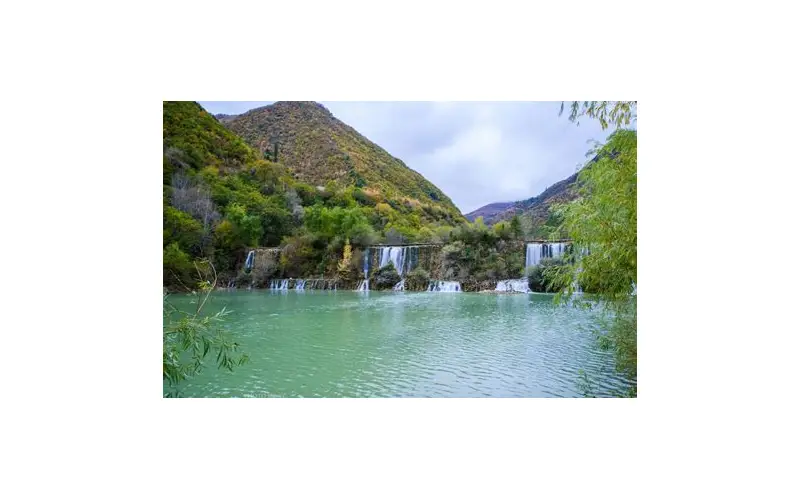
Longnan is a city in Gansu, offering local culture, cuisine and everyday Chi
Linxia
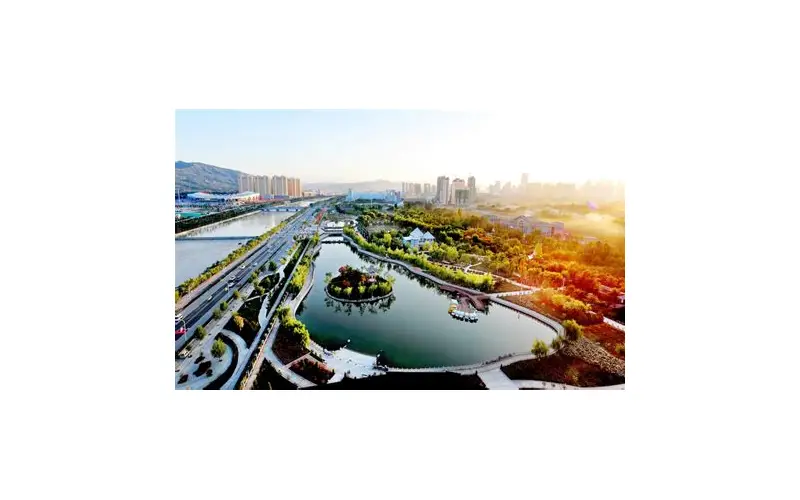
Linxia is a city in Gansu, offering local culture, cuisine and everyday Chin
Gannan
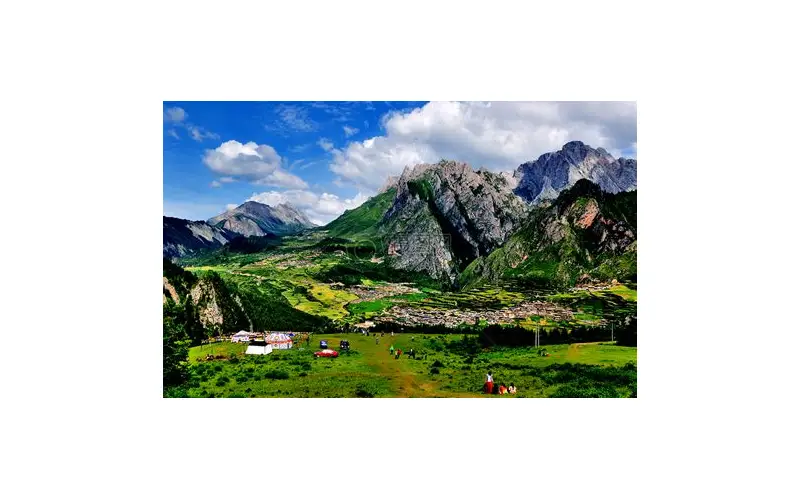
Gannan is a city in Gansu, offering local culture, cuisine and everyday Chin
Popular Spots9
Jia Yu Guan
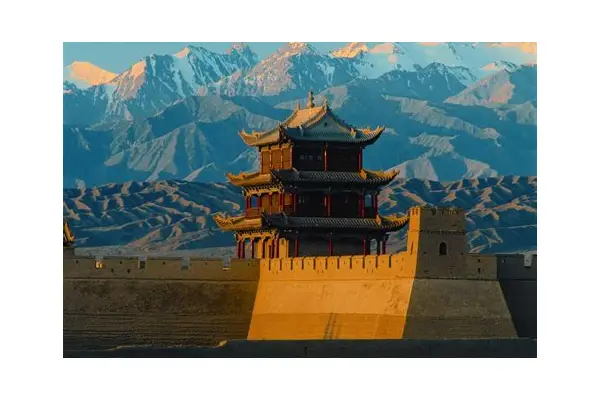
Jia Yu Guan is a famous tourist attraction in Gansu, offering cultural herit
Yeliguan Tourist Area (Gannan, Gansu)
Yeliguan Tourist Area is located in Lintan County, Gannan Tibetan Autonomous
Mai Ji Mountain
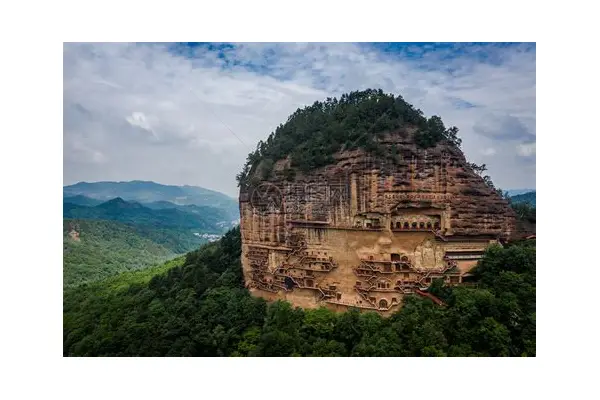
Mai Ji Mountain is a famous tourist attraction in Gansu, offering cultural h
Kong Tong Mountain
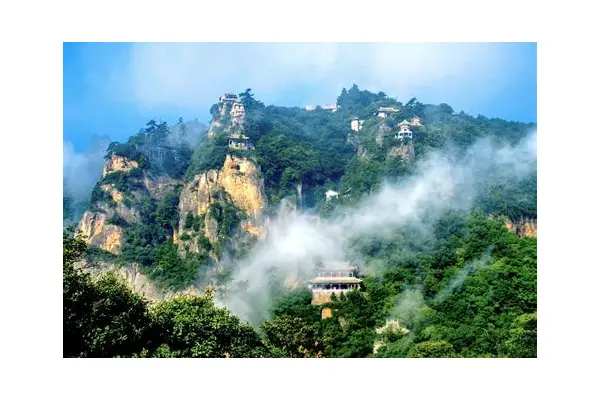
Kong Tong Mountain is a famous tourist attraction in Gansu, offering cultura
Dunhuang Mingsha Mountain & Crescent Lake Scenic Area
Dunhuang Mingsha Mountain & Crescent Lake Scenic Area is in Dunhuang, Gansu,
Zhangye Rainbow Danxia Scenic Area
Zhangye Rainbow Danxia Scenic Area is in Linze County, Gansu, and is a natio
Bingling Temple World Heritage Site, Yongjing County
Bingling Temple World Cultural Heritage Tourism Area is in Yongjing County,
Guan'e Valley Scenic Area, Longnan
Longnan Guan'e Valley Tourism Area is in Dangchang County, Gansu, and is a n
Lintan County Yeliguan Scenic Area
Yeliguan Scenic Area is a national 5A scenic area in Lintan County, Gansu.