Crystal-clear Qinghai Lake and vast Tibetan plateau landscapes.
Qinghai
Crystal-clear Qinghai Lake and vast Tibetan plateau landscapes.
Map
Key data
Items shown in Chinese are kept from the original Chinese source; no English name is available yet.
| Provinces | Qinghai |
|---|---|
| Geographic Zones | Northwest China |
| Area | 722,300 km² |
| Population | 5.92 million |
| GDP | ¥412.18 billion |
| Postal Code | 810000-817000 |
| License Plate | Qinghai A–H |
| Admin code | 630000 |
| Climate | plateau continental |
| Location | western China, the northeastern Tibetan Plateau |
| Foreign name | Qinghai province |
| Cities | 6 |
| 5A Scenic Spots | 4 |
Highlights
Introduction
- Crystal-clear Qinghai Lake and vast Tibetan plateau landscapes.
History
- History: Since ancient times, Qinghai has been a key route from the Central Plains to the Western Regions and the Qinghai-Tibet Plateau. In the Han Dynasty, Xihai Commandery was established here; the Tang-Tubo Ancient Road crossed its territory, and Princess Wencheng passed along this route on her way to Tibet, leaving a celebrated story of Han-Tibetan exchange. In the Yuan Dynasty, Qinghai was incorporated into the unified multi-ethnic state; during the Ming and Qing dynasties, the central government set up administrative bodies here, and in the Qing Dynasty Xining Prefecture governed most of Qinghai. In the Republican period, it was formally established as a province, with Xining as the provincial capital. Thereafter, as major projects such as the Qinghai-Tibet Railway were completed one after another, Golmud grew from a small Gobi town into an important transport hub, and the ancient plateau city of Xining took on new vitality.
Culture
- Culture: Qinghai's culture blends plateau and multi-ethnic features, with Chinese, Tibetan, Mongolian, Salar and other languages coexisting. The famous Tibetan Buddhist monastery Kumbum (Ta'er) Monastery is known for its "three art treasures": butter sculptures, murals and thangka appliqué. Intangible cultural heritage such as Regong art and the Gesar epic are renowned at home and abroad. Plateau cuisine features beef and mutton, highland barley and butter tea, while Qinghai old yogurt and ga mianpian (hand-pinched noodles) have distinctive flavors. Folk festivals such as the June 6th Hua'er Fair and the Tu ethnic Nadun Festival are lively, showcasing the rich and varied life of all ethnic groups.
Science & Technology
- Science and technology: Institutions of higher learning such as Qinghai University, Qinghai Normal University, and Qinghai Minzu University are rooted in the plateau and have trained large numbers of professionals for the local area. Leveraging salt-lake resources, Qinghai has outstanding research strength in salt-lake chemical engineering; units such as the Qinghai Institute of Salt Lakes of the Chinese Academy of Sciences have long worked on comprehensive utilization technologies for potassium, lithium, magnesium, and other resources, with fruitful results. As clean energy development advances, the plateau's advantages in sunlight and wind power are fully unleashed, with installed photovoltaic and wind power capacity ranking among the top in the country, and science and technology developing in tandem with green energy.
Economy
- Economy: Qinghai's 2025 regional GDP is 412.184 billion yuan. Salt lake chemical industry is a distinctive pillar industry, with potash fertilizer output accounting for a significant national share; leveraging clean energy advantages, photovoltaic, wind power and "green electricity" industries are developing rapidly. Agriculture and animal husbandry focus on yaks, Tibetan sheep and highland specialty crops, with products such as highland barley and goji berries widely welcomed by the market. The province's permanent population is 5.92 million, and per capita income is steadily rising. Qinghai Lake and Chaka Salt Lake are driving continued growth in tourism, and in 2024 per capita disposable income reached 30,117 yuan.
Cities6
Xining
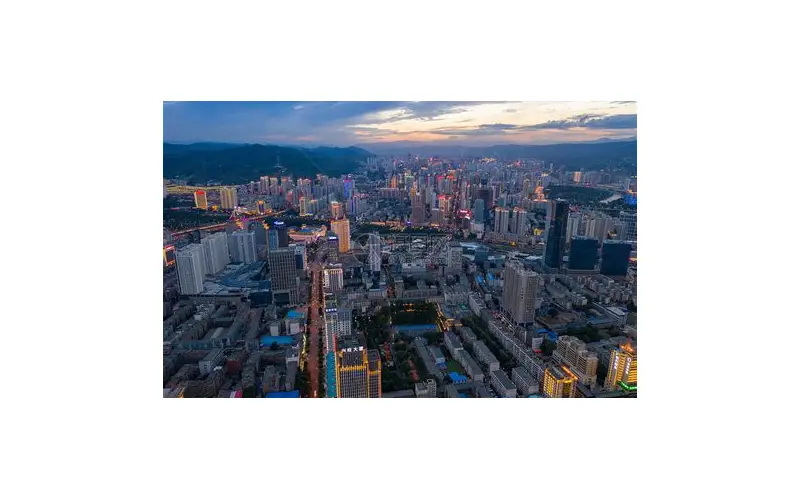
Xining is a city in Qinghai, offering local culture, cuisine and everyday Ch
Haidong
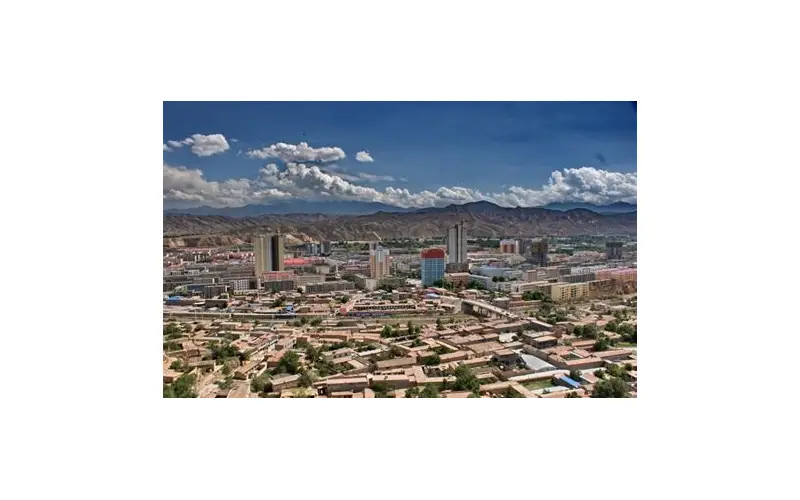
Haidong is a city in Qinghai, offering local culture, cuisine and everyday C
Haibei

Haibei is a city in Qinghai, offering local culture, cuisine and everyday Ch
Hainan
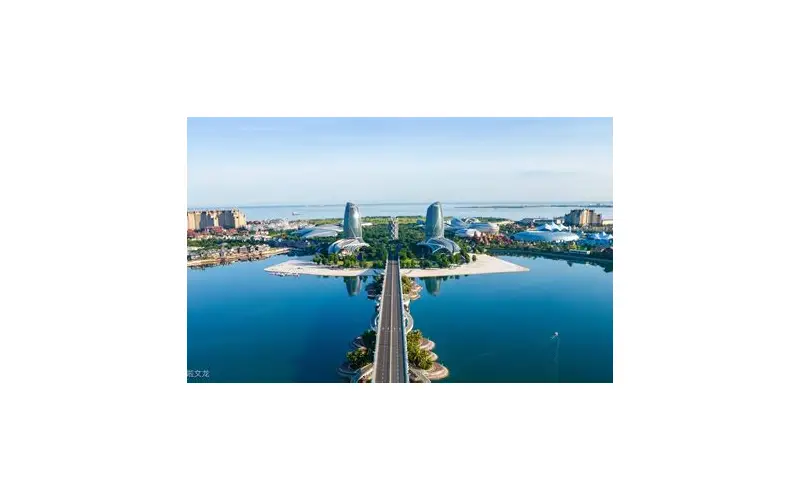
Hainan is a city in Qinghai, offering local culture, cuisine and everyday Ch
Yushu
Yushu is a city in Qinghai, offering local culture, cuisine and everyday Chi
Haixi
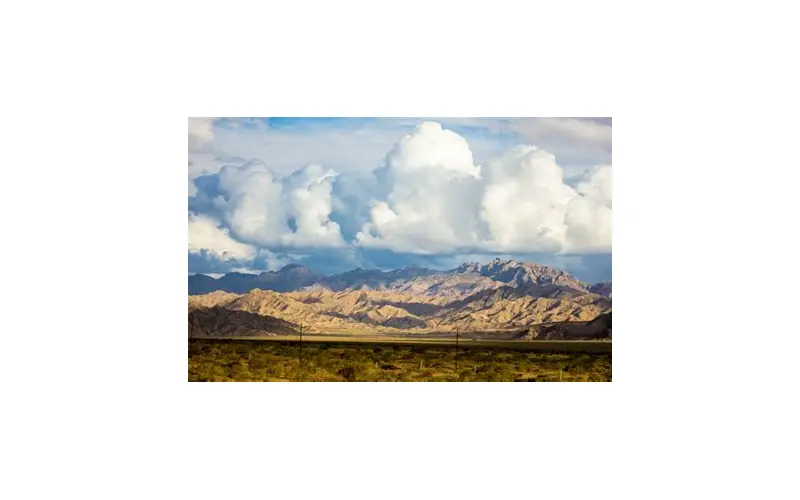
Haixi is a city in Qinghai, offering local culture, cuisine and everyday Chi
Popular Spots4
Qinghai Lake
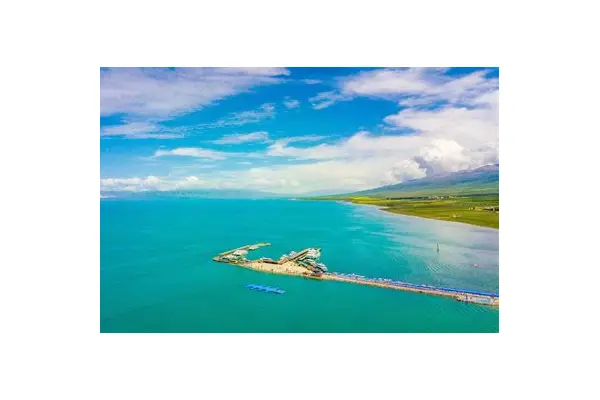
Qinghai Lake is a famous tourist attraction in Qinghai, offering natural sce
Kumbum Monastery
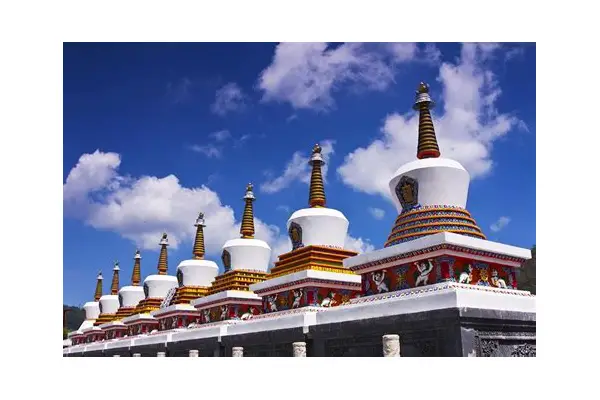
Kumbum Monastery is a famous tourist attraction in Qinghai, offering cultura
Huzhu Tu Ethnic Park
Huzhu Tu Ethnic Homeland Park Tourist Area is located in Huzhu Tu Autonomous
Amidongsuo Scenic Area, Haibei
Amidongsuo Scenic Area in Haibei Prefecture is located in Qilian County, Qin