The roof of the world — Potala Palace and awe-inspiring Himalayan scenery.
Tibet
The roof of the world — Potala Palace and awe-inspiring Himalayan scenery.
Map
Key data
Items shown in Chinese are kept from the original Chinese source; no English name is available yet.
| Provinces | Tibet |
|---|---|
| Geographic Zones | Southwest China |
| Area | 1,202,800 km² |
| Population | 3.70 million |
| GDP | ¥303.19 billion |
| Postal Code | 850000-860000 |
| Area Code | 0891-0897 |
| License Plate | Tibet A–G |
| Admin code | 540000 |
| Climate | humid |
| Location | Southwest Chinathe border region, the southwestern Tibetan Plateau |
| Foreign name | Xizang Autonomous Region |
| Cities | 6 |
| 5A Scenic Spots | 5 |
Highlights
Introduction
- The roof of the world — Potala Palace and awe-inspiring Himalayan scenery.
History
- Tibet has a long history, with human habitation dating back thousands of years. In the 7th century AD, Songtsen Gampo unified the various tribes of the Qinghai-Tibet Plateau, established the Tubo Dynasty with Lhasa as its capital, and married Princess Wencheng of the Tang Dynasty; Chinese medicine, weaving, and other skills from the Central Plains were introduced, and the early buildings of the Jokhang Temple and the Potala Palace were constructed at this time. Thereafter, Tibetan Buddhist culture flourished and endured on the plateau, with the Sakya, Gelug, and other schools rising in succession, and many temples and mural artworks surviving to this day. In modern times, road, railway, and other transportation infrastructure have continued to advance, and the Roof of the World has become increasingly closely connected with the interior.
Culture
- Tibetan culture is dominated by Tibetan ethnic culture, with a long history of the Tibetan language and script, and Tibetan Buddhist faith permeates daily life. Ancient buildings such as the Potala Palace, Jokhang Temple, and Ganden Monastery shine alongside artistic treasures like thangka, murals, and butter sculptures. Tibetan song and dance are bold and vigorous, with Guozhuang dance and Xianzi dance each having their own charm; Tibetan opera masks are colorful and are an important intangible cultural heritage. Tsampa, butter tea, and barley wine form a unique dietary custom, and festivals such as Shoton Festival and Tibetan New Year are lively and grand. Pure white khata scarves and fluttering prayer flags convey the warmth and blessings of the plateau people.
Science & Technology
- Tibet's higher education system has been continuously improved. Universities such as Tibet University, Tibet Tibetan Medical University, and Tibet Agricultural and Animal Husbandry University have cultivated a large number of local talents, and important achievements have been made in the research and inheritance of Tibetan medicine. Science and technology for plateau agriculture and animal husbandry continue to advance, with highland barley breeding and yak farming techniques steadily improving. Leveraging its plateau geographical advantages, Tibet has built multiple astronomical observation bases, and the Ngari area has become a world-class astronomical observation site where cutting-edge scientific research is conducted. Scientific and technological applications in clean energy, ecological and environmental protection, and other fields are also steadily advancing.
Economy
- In 2025, Tibet's regional GDP reached 303.189 billion yuan, with tourism, plateau agriculture and animal husbandry, and clean energy as its pillar industries. Attractions such as the Potala Palace and Mount Everest draw large numbers of tourists, and the cultural tourism economy continues to heat up; highland specialties such as highland barley, yak, and saffron are distinctive. Water, solar, and wind resources are abundant, clean energy development potential is enormous, and several large hydropower stations and photovoltaic bases have been put into operation. With the advancement of transport projects such as the Sichuan-Tibet Railway, Tibet's development momentum continues to strengthen.
Cities6
Lhasa
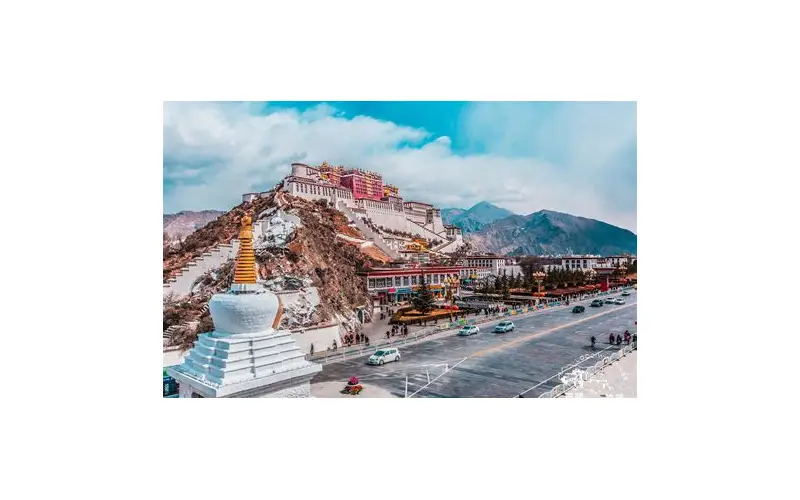
Lhasa is a city in Tibet, offering local culture, cuisine and everyday Chine
Shigatse
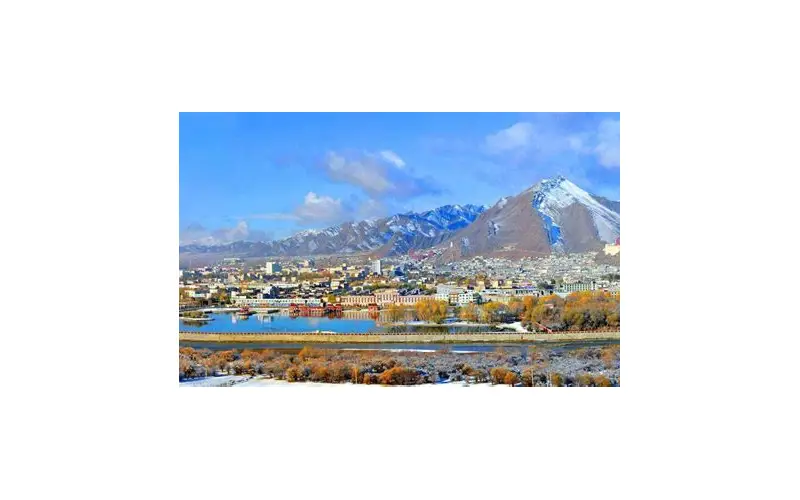
Shigatse is a city in Tibet, offering local culture, cuisine and everyday Ch
Chamdo
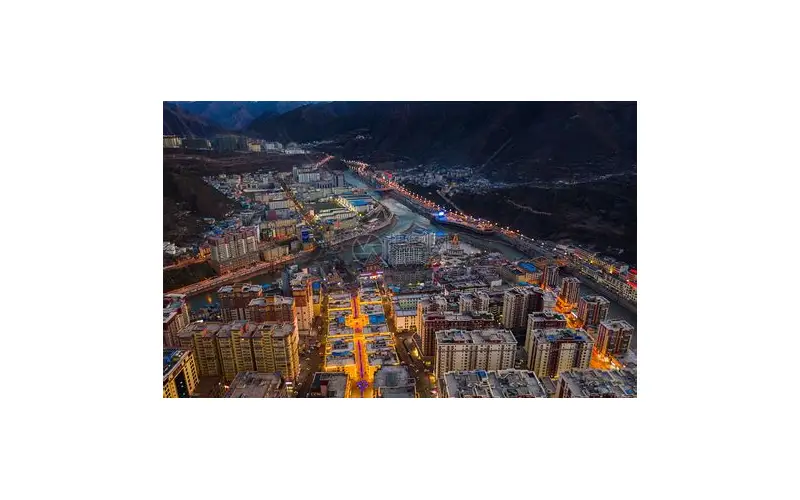
Chamdo is a city in Tibet, offering local culture, cuisine and everyday Chin
Nyingchi
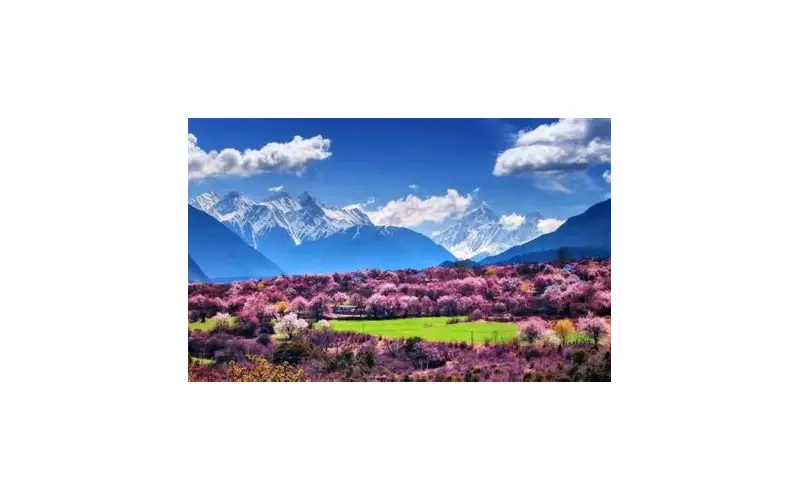
Nyingchi is a city in Tibet, offering local culture, cuisine and everyday Ch
Shannan
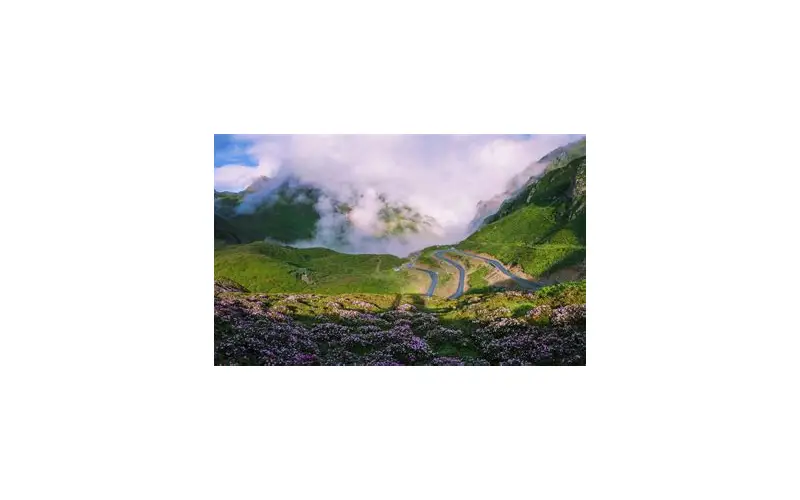
Shannan is a city in Tibet, offering local culture, cuisine and everyday Chi
Nagqu
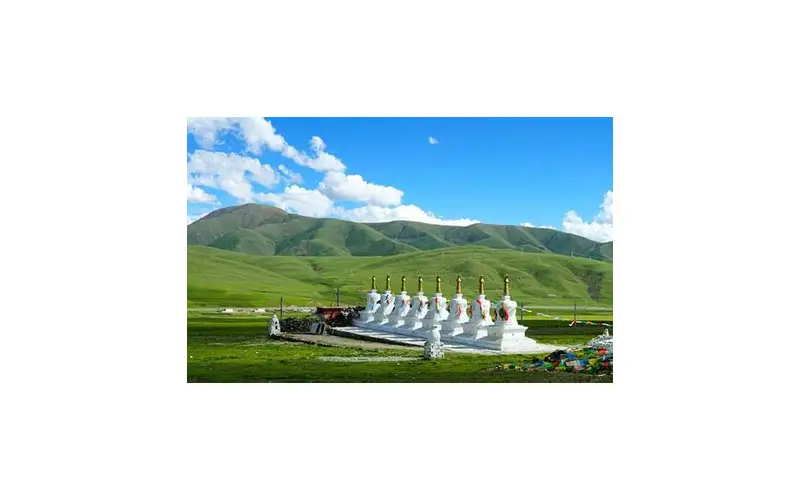
Nagqu is a city in Tibet, offering local culture, cuisine and everyday Chine
Popular Spots5
Potala Palace
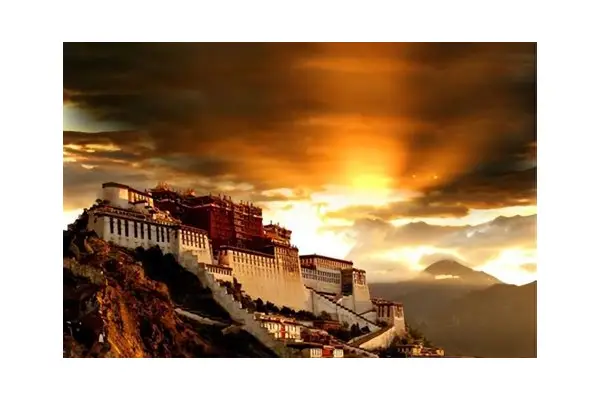
Potala Palace is a famous tourist attraction in Tibet, offering cultural her
Ba Song Cuo
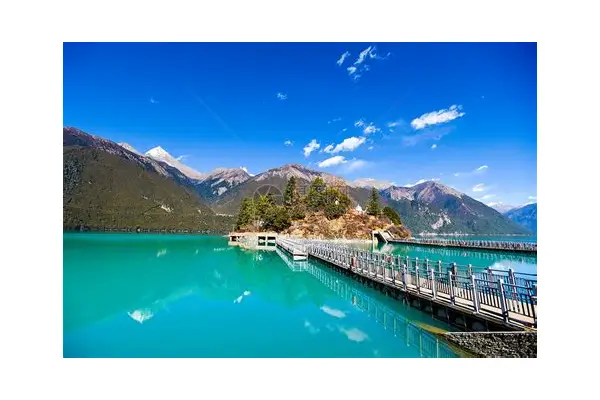
Ba Song Cuo is a famous tourist attraction in Tibet, offering natural scener
Ya Lu Cang Bu Da Xia Valley
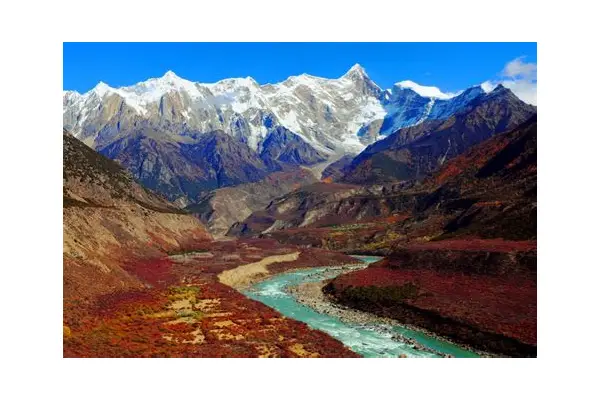
Ya Lu Cang Bu Da Xia Valley is a famous tourist attraction in Tibet, offerin
Da Zhao Temple
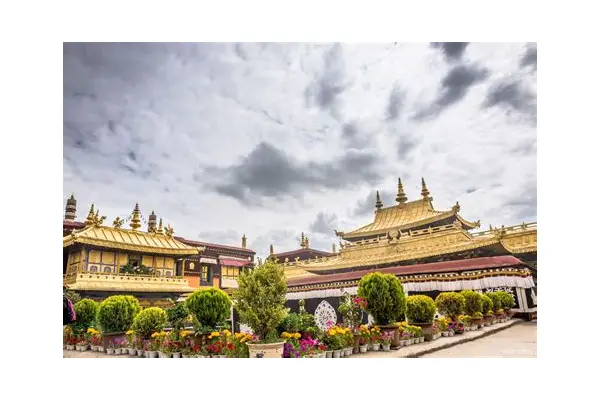
Da Zhao Temple is a famous tourist attraction in Tibet, offering cultural he
Zha Shen Lun Bu Temple
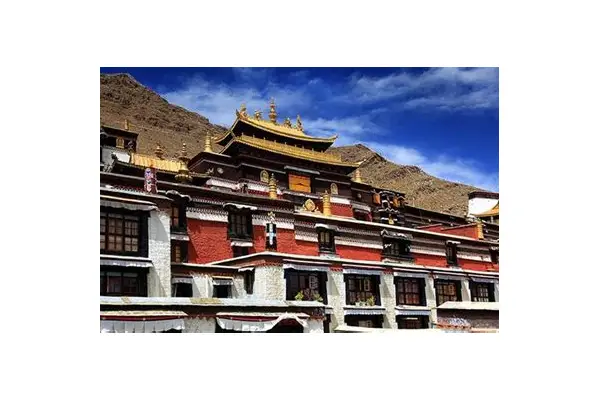
Zha Shen Lun Bu Temple is a famous tourist attraction in Tibet, offering cul