Land of ancient temples, Yungang Grottoes and the walled city of Pingyao.
Shanxi
Land of ancient temples, Yungang Grottoes and the walled city of Pingyao.
Map
Key data
Items shown in Chinese are kept from the original Chinese source; no English name is available yet.
| Provinces | Shanxi |
|---|---|
| Geographic Zones | North China |
| Area | 156,700 km² |
| Population | 34.24 million |
| GDP | ¥2.55 trillion |
| Postal Code | 030000-048000 |
| License Plate | Shanxi A–M |
| Admin code | 140000 |
| Climate | temperate monsoon |
| Location | northern China, the east bank of the Yellow Riverthe middle reaches of the |
| Foreign name | Shanxi Province |
| Cities | 11 |
| 5A Scenic Spots | 12 |
Highlights
Introduction
- Land of ancient temples, Yungang Grottoes and the walled city of Pingyao.
History
- Shanxi is an important cradle of Chinese civilization. Legends of Yao and Shun are mostly associated with the Hedong region, and during the Spring and Autumn period the State of Jin dominated the Central Plains, hence the abbreviation "Jin." The Yungang Grottoes carved in the Northern Wei and the Jinci Temple built in the Tang dynasty witness the splendor of Buddhist art and architectural craftsmanship. During the Ming and Qing dynasties, Shanxi merchants connected the realm through draft banks, and Pingyao Ancient City became the financial center of the time. Passes such as Yanmen Pass have since ancient times been strategic points contested by military strategists, and numerous beacon tower ruins line the Great Wall. In modern times Shanxi's coal industry rose and made important contributions to the nation's energy supply.
Culture
- Shanxi has a profound cultural heritage; its Jin dialect is archaic and preserves many ancient words. Its noodle culture is Shanxi's most distinctive calling card, with a wide variety such as knife-cut noodles and oat flour Kaolaolao, giving rise to the saying "The world's noodles are in China, and China's noodles are in Shanxi." Local operas such as Jin Opera and Pu Opera have been passed down for centuries, while intangible heritage arts like Jiangzhou drum music and Shangdang Bayin ensemble are grand and powerful. The cultures of aged vinegar and Fenjiu liquor have a long history, and the Qiao and Wang family merchant compounds are exquisitely built, fully displaying the finest of northern residential architecture.
Science & Technology
- Shanxi is home to Taiyuan University of Technology, Shanxi University and other universities as well as a number of research institutions, and its education and research system is steadily improving. In recent years Shanxi has advanced comprehensive reform of the energy revolution, making important progress in clean and efficient coal use, coalbed methane extraction, and the hydrogen energy industry. Enterprises such as Taiyuan Heavy Machinery Group have deepened their work in heavy equipment manufacturing, with products such as high-speed rail axles and wind power equipment reaching markets across the country. Taiyuan Wusu International Airport and the dense high-speed rail network provide solid support for technological innovation and the gathering of talent.
Economy
- Shanxi has long been known as the "sea of coal," with coal, power, coking and other energy industries forming the backbone of its economy for years; in 2025 its GDP reached 2,549.57 billion yuan. In recent years Shanxi has accelerated its transformation, promoting smart and green upgrades in the coal industry while fostering new growth areas such as equipment manufacturing, new materials and cultural tourism. Attractions such as the Yungang Grottoes and Pingyao Ancient City have driven a boom in cultural tourism, and commerce and logistics in Taiyuan, Datong and other cities are thriving, as the province's economy shifts from coal dependence to diversified support.
Cities11
Wutai
Mount Wutai, in Xinzhou, Shanxi, is the sacred seat of Manjusri and ranks fi
Pingyao
Pingyao, on the Fen River in central Shanxi, is one of China's best-preserve
Taiyuan
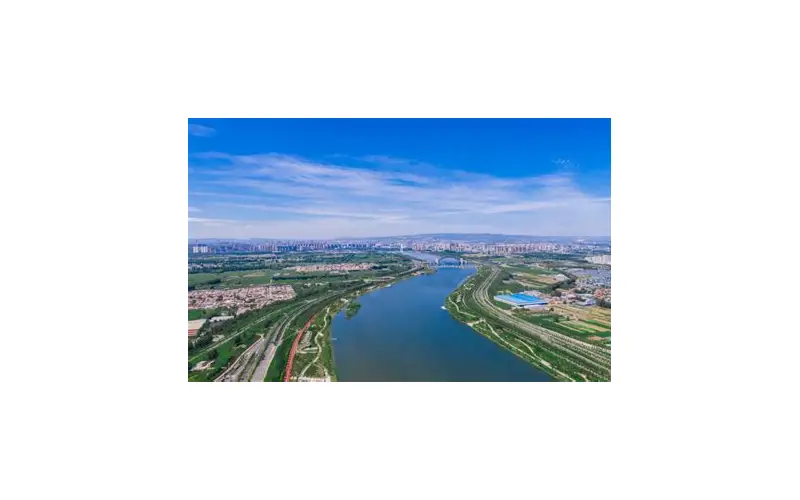
Taiyuan is a city in Shanxi, offering local culture, cuisine and everyday Ch
Datong
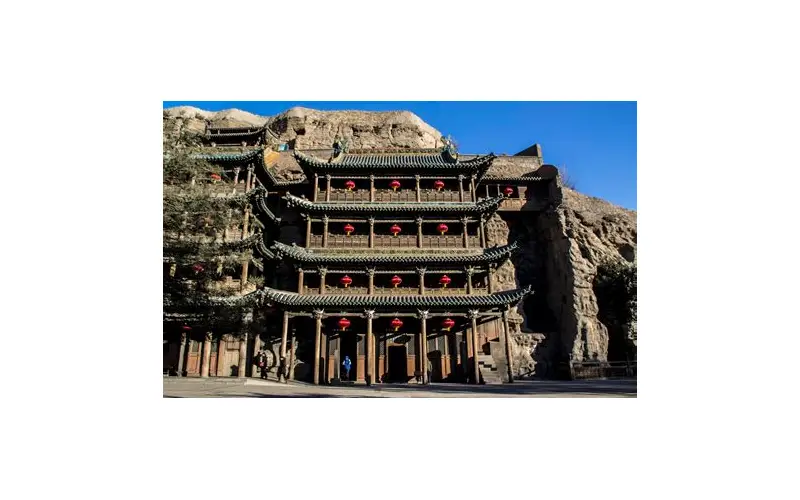
Datong is a city in Shanxi, offering local culture, cuisine and everyday Chi
Changzhi
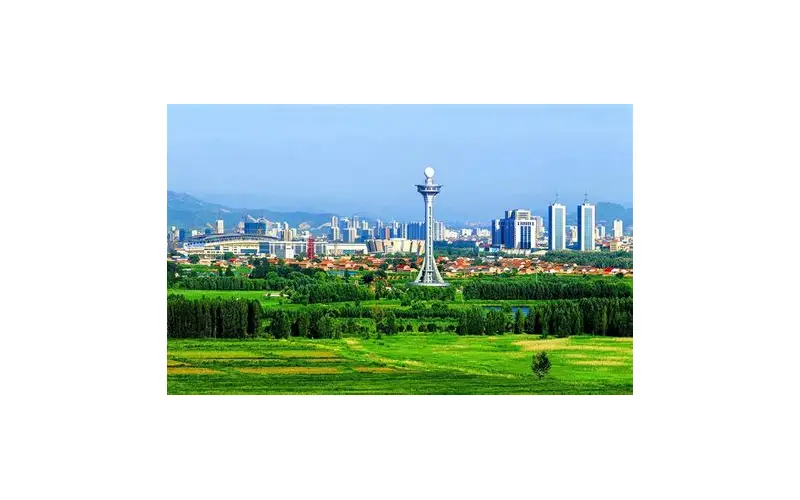
Changzhi is a city in Shanxi, offering local culture, cuisine and everyday C
Jincheng
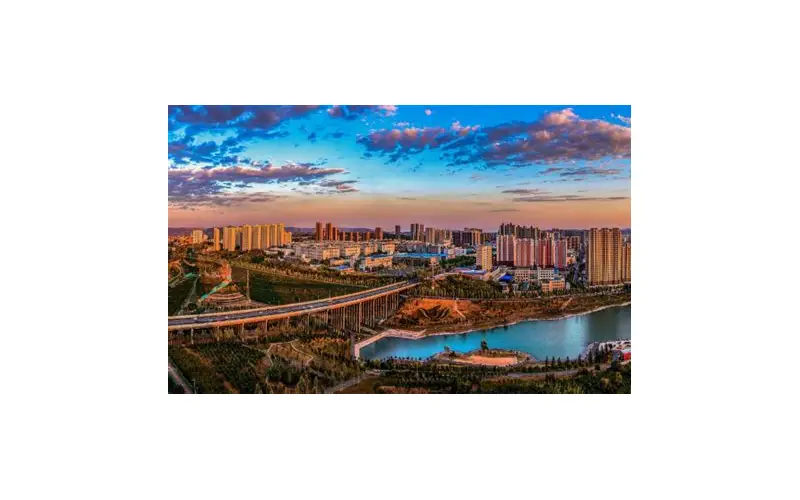
Jincheng is a city in Shanxi, offering local culture, cuisine and everyday C
Shuozhou
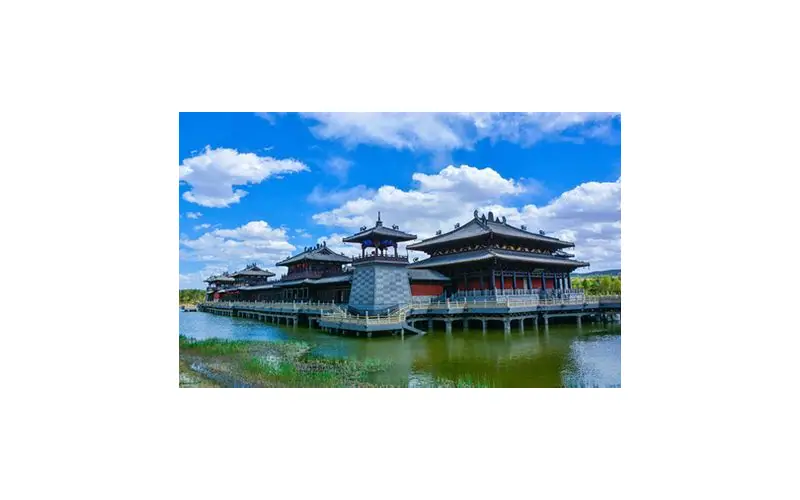
Shuozhou is a city in Shanxi, offering local culture, cuisine and everyday C
Jinzhong
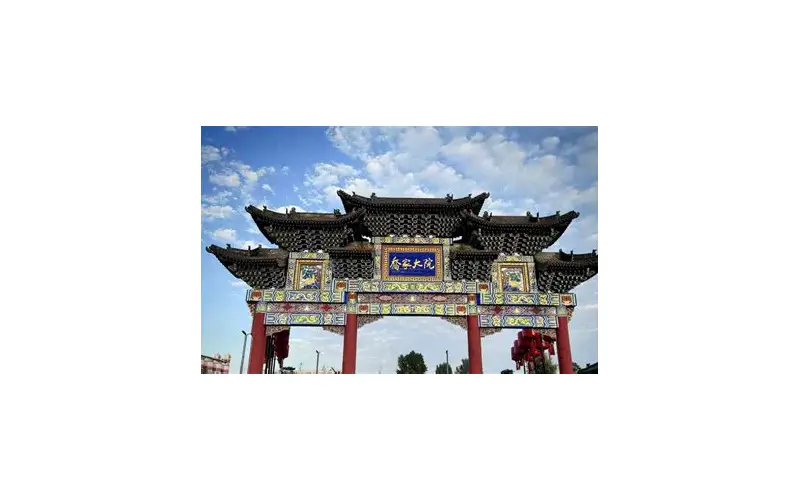
Jinzhong is a city in Shanxi, offering local culture, cuisine and everyday C
Yuncheng
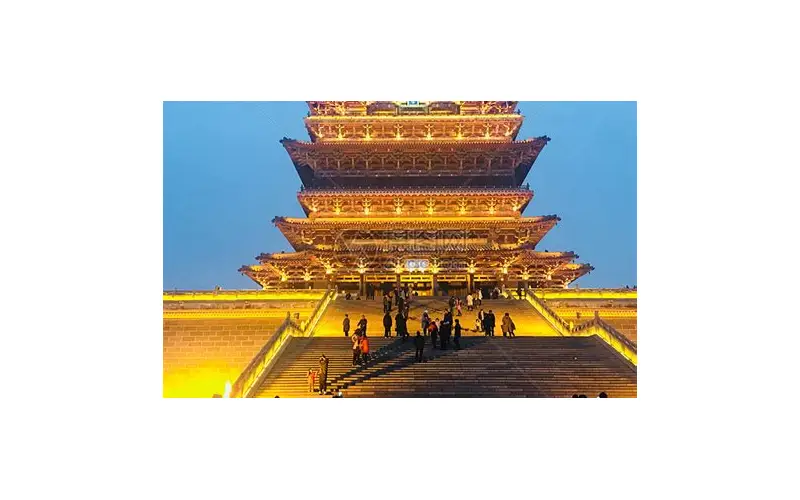
Yuncheng is a city in Shanxi, offering local culture, cuisine and everyday C
Xinzhou
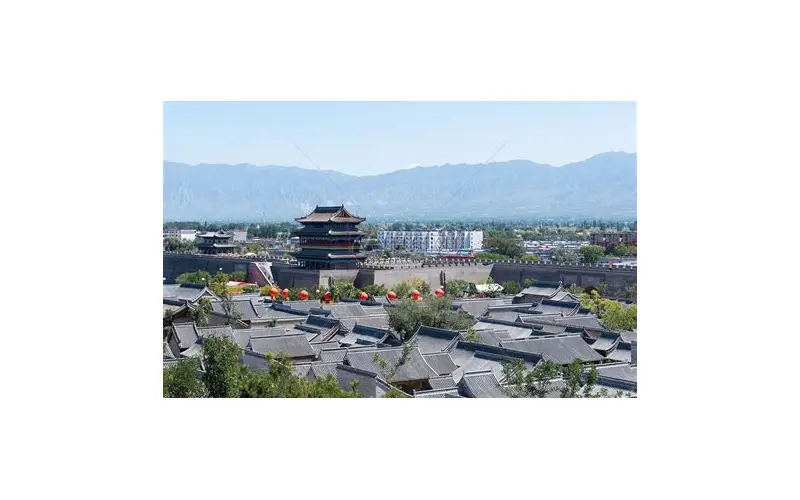
Xinzhou is a city in Shanxi, offering local culture, cuisine and everyday Ch
Linfen
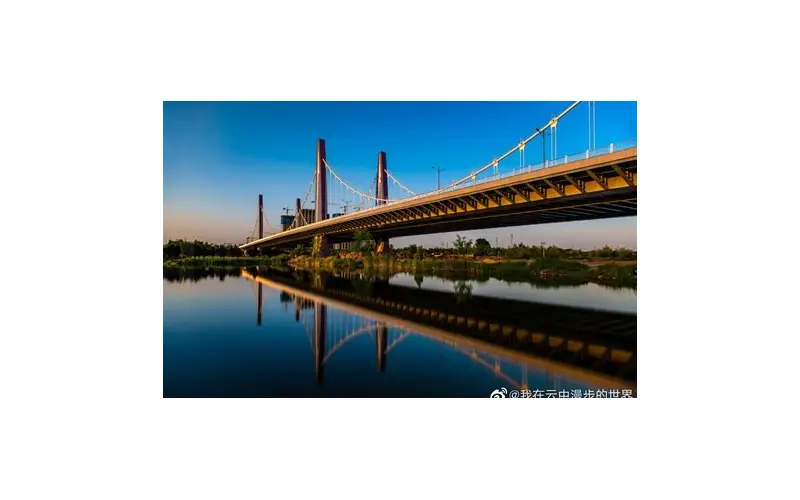
Linfen is a city in Shanxi, offering local culture, cuisine and everyday Chi
Popular Spots12
Mount Wutai
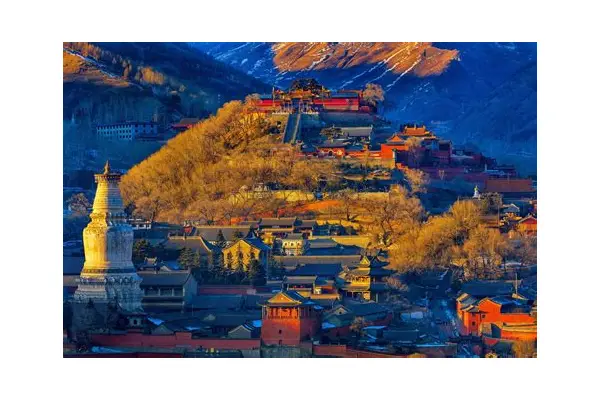
Mount Wutai is a famous tourist attraction in Shanxi, offering cultural heri
Huang Cheng Xiang Fu
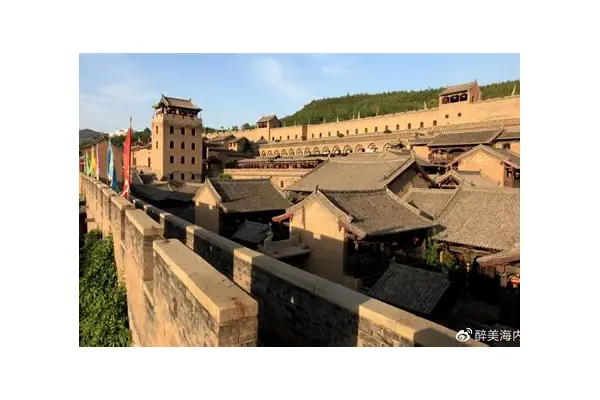
Huang Cheng Xiang Fu is a famous tourist attraction in Shanxi, offering cult
Yan Men Guan
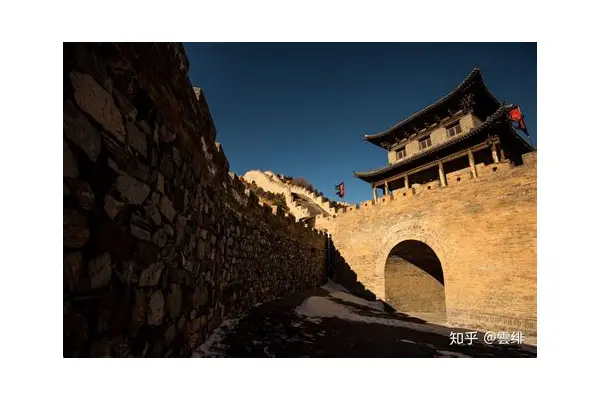
Yan Men Guan is a famous tourist attraction in Shanxi, offering cultural her
Hong Dong Da Huai Shu
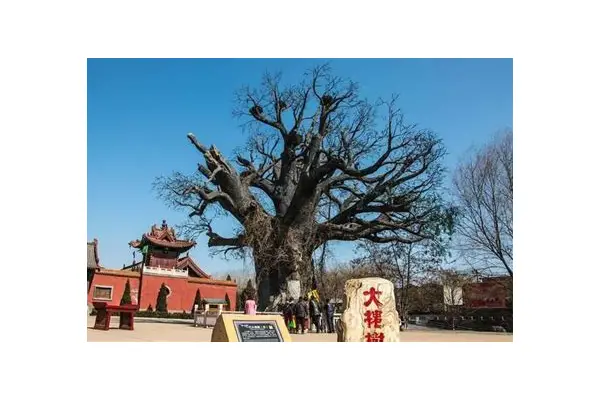
Hong Dong Da Huai Shu is a famous tourist attraction in Shanxi, offering cul
Yungang Grottoes
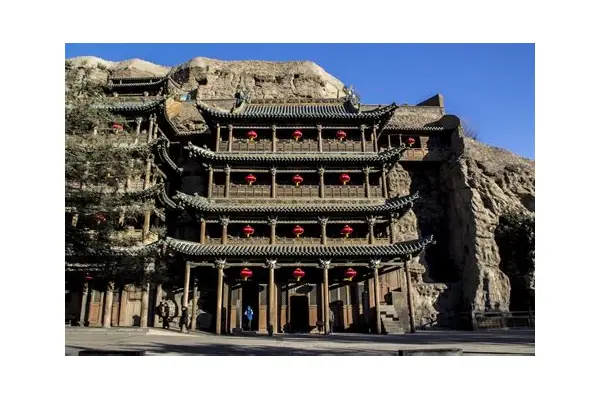
Yungang Grottoes is a famous tourist attraction in Shanxi, offering cultural
Pingyao Ancient City
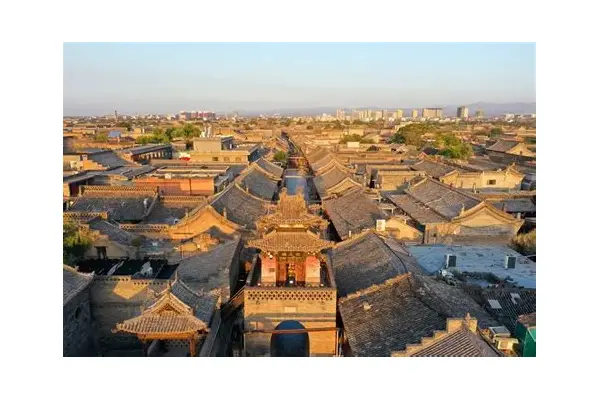
Pingyao Ancient City is a famous tourist attraction in Shanxi, offering cult
Yun Qiu Mountain
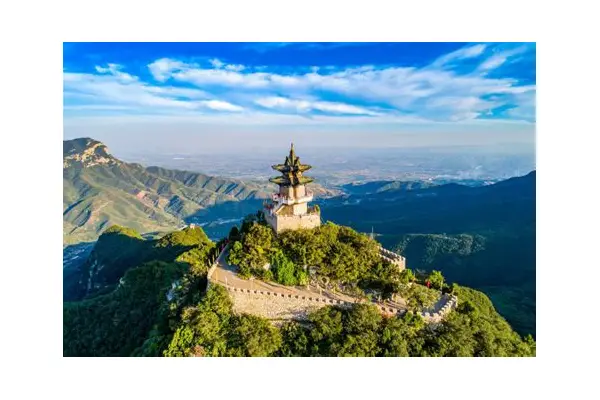
Yun Qiu Mountain is a famous tourist attraction in Shanxi, offering natural
Hukou Waterfall
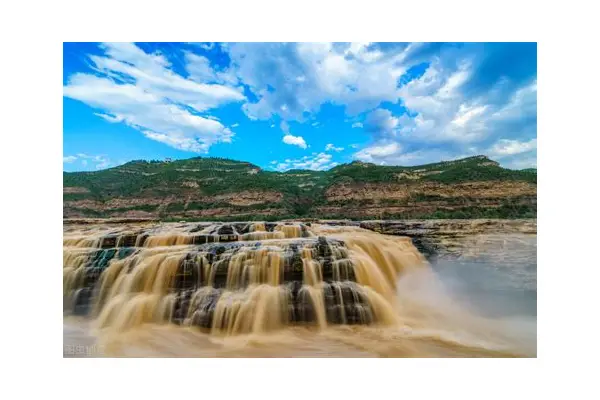
Hukou Waterfall is a famous tourist attraction in Shanxi, offering natural s
Jinci & Tianlong Mountain Scenic Area (Taiyuan)
Set at the foot of Xuanweng Mountain about 25 km southwest of Taiyuan, Shanx
Mianshan Scenic Area
Mianshan Scenic Area is in Jiexiu, Shanxi, and is a national 5A scenic area.
Baquan Gorge Scenic Area, Taihang Mountains
Taihang Mountain Baquanxia Scenic Area is in Huguan County, Shanxi, and is a
Hukou Waterfall Scenic Area, Yellow River
Hukou Waterfall Scenic Area on the Yellow River is located in Ji County, Sha